There’s something a little luxurious about using body oil after a shower. Your skin feels soft, there’s a subtle glow, and if you’ve chosen the right scent, you smell pretty amazing, too.
I’ve been using body oil for four or five years, but it wasn’t until a few months ago that it finally occurred to me: Why am I buying this stuff when I could just make my own? Turns out, you definitely don’t need to spend $40 on a tiny bottle of fancy body oil to get that same luxe experience.
Making your own body oil at home is surprisingly easy. Most recipes I’ve tried only require two or three ingredients, take about five minutes to mix, and can be customized depending on what your skin needs.
Whether you’re dealing with dry, flaky legs, looking for a lightweight everyday moisturizer, or want a little shimmer for a night out, there’s a homemade body oil recipe for that.
Below, you’ll find my easy DIY body oil recipes for different skincare needs, along with the best carrier oils to use, how to apply them, and a few things worth knowing before you start mixing.
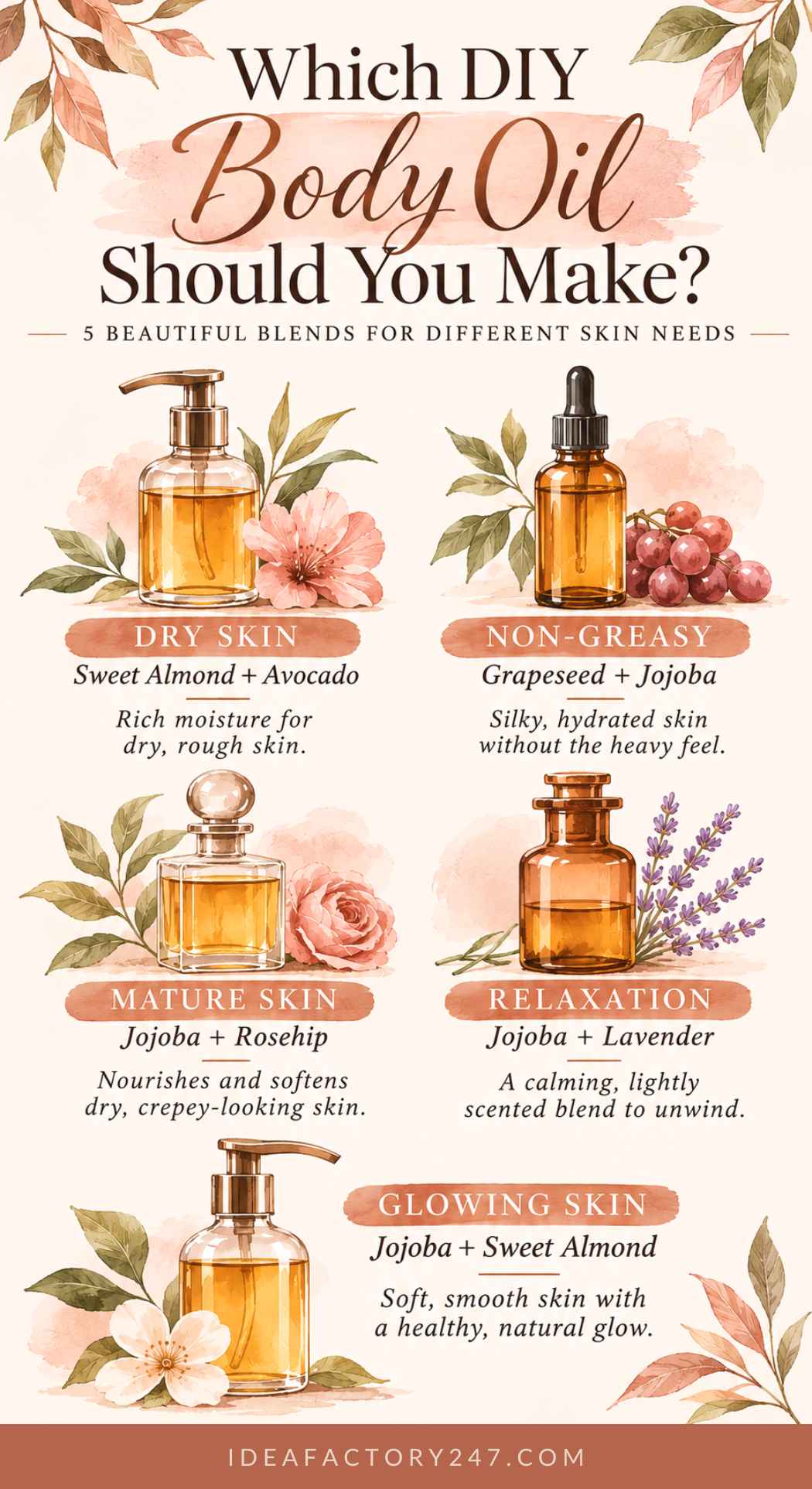
Find the Right Homemade Body Oil for Your Skin
Not sure which recipe to try first? Here’s a quick guide to finding the best homemade body oil for what you’re looking for.
| If you’re looking for… | Try this recipe |
|---|---|
| Something easy and affordable | Basic DIY Body Oil |
| Soft skin with a natural glow | Everyday Glow Body Oil |
| Extra moisture for dry, flaky skin | Deep Moisture Body Oil |
| A simple post-shower moisturizer | After-Shower Body Oil |
| A lightweight, less greasy finish | Silky, Non-Greasy Body Oil |
| A relaxing evening skincare ritual | Relaxing Bedtime Body Oil |
| Softening dry, mature skin | Softening Body Oil for Mature Skin |
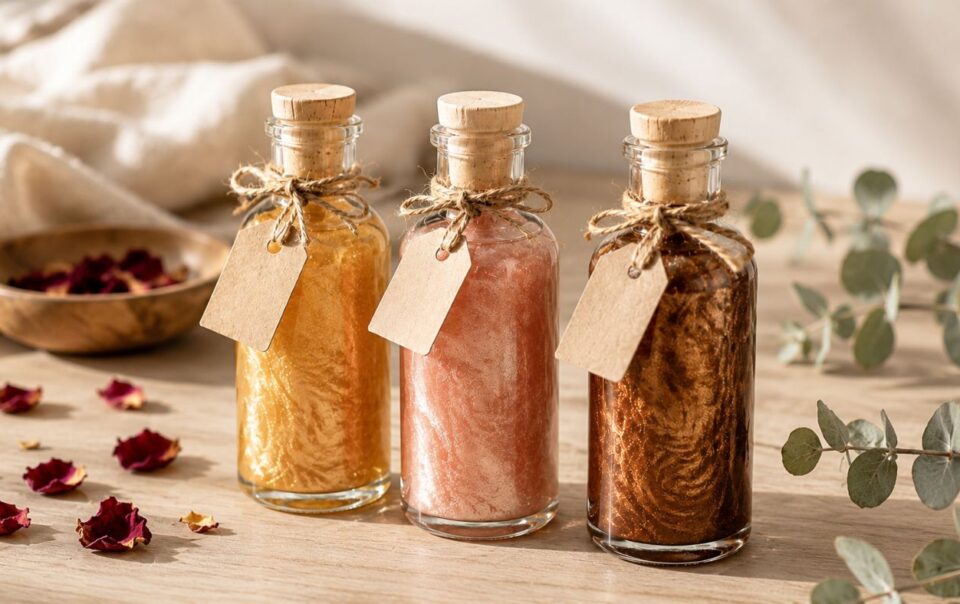
| A little shimmer and radiance | DIY Shimmer Body Oil |
How to Make Body Oil at Home
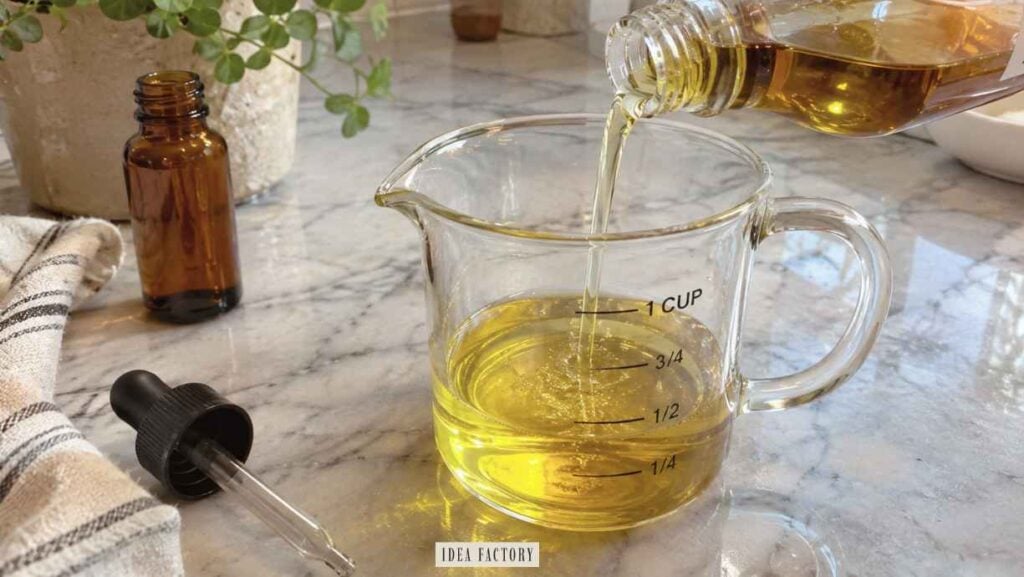
The beauty of homemade body oil is how simple it is. Unlike lotions and creams, which typically contain water and need preservatives, a basic body oil can be made with just a few skin-friendly oils.
Most DIY body oil recipes follow the same basic formula:
- Carrier oil: The main ingredient that softens and moisturizes your skin.
- Optional second oil: Used to adjust the texture, richness, or feel of the blend.
- Optional fragrance: A small amount of a skin-safe essential oil or cosmetic fragrance oil.
You’ll also need a clean, completely dry glass bottle with a pump, dropper, or flip-top lid.

Love this set of 8oz bottles! The funnel makes it mess-free and the labels are a nice perk as well, especially if you are making your own body oil, soaps, etc.
Once you understand the basics, you can experiment with different carrier oils and create blends that suit your skin and preferences.
Easy Body Oil DIY Recipes
These homemade body oil recipes are designed for different needs, from everyday moisturizing and extra-dry skin to lightweight after-shower care and a little shimmer.
Each recipe makes approximately 2 fluid ounces and can be prepared in just a few minutes.
Basic DIY Body Oil
The easiest homemade body oil for beginners.
If you’ve never made your own body oil before, this is the perfect place to start. Just two affordable carrier oils, no essential oils, and nothing complicated to measure or mix.
Sunflower oil helps soften and moisturize your skin, while fractionated coconut oil gives the blend a smooth, lightweight feel. It’s a simple, fragrance-free recipe that’s easy to make again whenever you run out.
Ingredients
- 3 tablespoons sunflower oil
- 1 tablespoon fractionated coconut oil
Instructions
- Pour both oils into a clean, dry 2-ounce glass bottle.
- Close the bottle and gently shake to combine.
- Apply a small amount to slightly damp skin, massaging until evenly distributed.
Why you’ll love it: It’s affordable, beginner-friendly, and requires just two ingredients you can use in plenty of other homemade skincare recipes.
Everyday Glow Body Oil
For silky, luminous skin with a little extra luxury.
If you love that soft, healthy-looking glow your skin gets after a spa treatment, this homemade body oil is a lovely way to recreate the feeling at home.
Jojoba oil gives the blend a silky finish, sweet almond oil adds a little richness, and fractionated coconut oil helps everything glide smoothly over your skin. The result is a lightweight, luxurious-feeling body oil that leaves arms and legs looking naturally luminous without glitter or shimmer.
Ingredients
- 2 tablespoons jojoba oil
- 1 tablespoon sweet almond oil
- 1 tablespoon fractionated coconut oil
- Optional: 2 drops lavender essential oil
Instructions
- Combine the three carrier oils in a clean, dry 2-ounce glass bottle.
- Add the optional lavender essential oil.
- Close the bottle and gently roll it between your hands to mix.
- Massage a small amount into slightly damp skin, focusing on your arms, legs, and shoulders.
Why you’ll love it: It has a silky, spa-like feel and gives skin a subtle, healthy-looking sheen without adding shimmer or leaving a heavy coating.
Deep Moisture Body Oil for Dry Skin
For rough elbows, flaky legs, and extra-dry areas.
When your skin feels like it could use an entire bottle of lotion, a richer body oil can be a nice addition to your routine.
This recipe combines sweet almond oil with avocado oil for a more substantial texture. It’s particularly nice on areas that tend to feel rough, like knees, elbows, and shins.
Ingredients
- 3 tablespoons sweet almond oil
- 1 tablespoon avocado oil
Instructions
- Mix both oils in a clean 2-ounce bottle. Massage a small amount into slightly damp skin, focusing on dry areas.
- For especially dry skin, apply a fragrance-free moisturizing cream first, then smooth a little body oil over the top.
Why you’ll love it: It’s a richer blend that helps soften rough, dry-feeling skin without requiring a long list of ingredients.
After-Shower Body Oil
For locking in that just-showered softness.
If you’ve ever wondered when to apply body oil, the answer is usually right after a shower, while your skin is still slightly damp.
Body oils help reduce moisture loss, and applying them to damp skin can help your skin feel softer for longer. This particular recipe uses sunflower oil and fractionated coconut oil. It’s an uncomplicated blend that’s easy to spread over larger areas of your body.
Ingredients
- 2 tablespoons sunflower oil
- 2 tablespoons fractionated coconut oil
Instructions
- Combine both oils in a clean 2-ounce bottle.
- After showering, gently pat your skin with a towel, leaving it slightly damp. Massage a small amount of oil over your arms, legs, and other dry areas.
- Start with less than you think you need. You can always add another drop or two.
Why you’ll love it: It’s an easy, fragrance-free body oil that fits naturally into your everyday shower routine.
Silky, Non-Greasy Body Oil
For people who love soft skin but hate feeling oily.
I love the idea of body oil. What I don’t love is putting on jeans afterward and feeling like my legs are still coated in something. If that sounds familiar, try this lighter blend.
Grapeseed oil has a relatively lightweight feel, and jojoba oil helps create a smooth finish. It’s a good starting point for anyone who wants to experiment with homemade body oil without using a heavier blend.
Ingredients
- 3 tablespoons grapeseed oil
- 1 tablespoon jojoba oil
Instructions
- Combine the oils in a clean bottle and gently shake.
- Apply a few drops to damp skin and massage thoroughly. Allow a few minutes for the oil to settle before getting dressed.
Why you’ll love it: The lighter texture makes it a good option for everyday use, especially if richer body oils aren’t your thing.
Keep in mind that no pure oil is completely grease-free. How much you apply makes a big difference.
Relaxing Bedtime Body Oil
For a little lavender-scented luxury before bed.
This is the kind of body oil that makes an ordinary Tuesday evening feel a little more like a spa night.
The formula is simple, but the gentle lavender scent makes it feel special. Use it after an evening shower or massage a small amount into your hands, arms, or legs before bed.
Lavender’s fragrance is often associated with relaxation, although this body oil isn’t a treatment for sleep problems.
Ingredients
- 2 tablespoons jojoba oil
- 2 tablespoons sweet almond oil
- 3 drops lavender essential oil
Instructions
Combine the carrier oils in a clean 2-ounce bottle. Add the lavender essential oil, close the bottle, and gently roll to mix.
Massage a small amount into damp skin as part of your evening routine.
Why you’ll love it: It’s an easy way to make your nighttime skincare routine feel a little more indulgent.
Softening Body Oil for Mature Skin
For dry, delicate-looking skin that needs a little extra TLC.
As skin ages, it often becomes drier and may feel less supple than it once did. A simple body oil won’t reverse wrinkles or restore lost collagen, but it can help soften dry skin and temporarily improve its appearance.
This blend combines jojoba oil, sweet almond oil, and a small amount of rosehip seed oil.
Rosehip oil is popular in skincare, although the evidence for dramatic anti-aging effects is limited. Here, we’re using it as part of a moisturizing oil blend rather than promising a miracle in a bottle.
Ingredients
- 2 tablespoons jojoba oil
- 1 tablespoon sweet almond oil
- 1 tablespoon rosehip seed oil
Instructions
Combine all three oils in a clean, dry 2-ounce bottle.
Apply a small amount to damp skin, particularly areas that feel dry or rough. Massage gently rather than rubbing aggressively.
Why you’ll love it: It’s a fragrance-free blend that focuses on comfort and softness rather than unrealistic anti-aging promises.
DIY Shimmer Body Oil
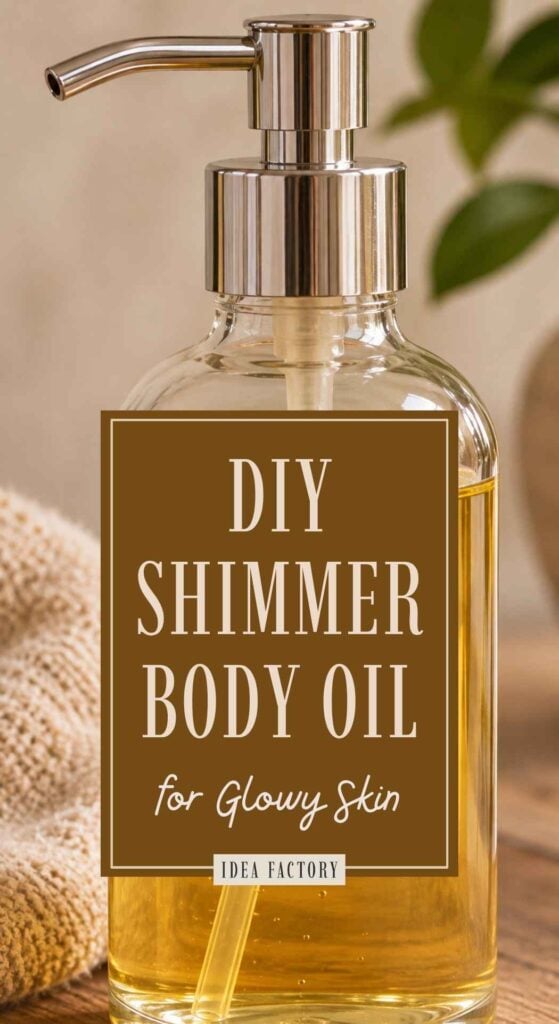
For a subtle glow on arms, legs, and shoulders.
This one is just plain fun. If you like the look of glowing skin in the summer or want a little extra radiance for an evening out, homemade shimmer body oil is surprisingly easy to make. The trick is using a very small amount of cosmetic-grade shimmer. You want a soft, light-catching finish, not something that looks like a craft project exploded.
Ingredients
- 2 tablespoons fractionated coconut oil
- 2 tablespoons jojoba oil
- A tiny pinch of cosmetic-grade, body-safe bronze or champagne mica
Instructions
- Combine the oils in a clean, dry 2-ounce bottle.
- Add a tiny amount of cosmetic-grade mica.
- Close the bottle and shake thoroughly.
- Test a small amount on your arm.
- Add a little more mica only if you want a stronger shimmer.
Shake before each use, since the shimmer may settle.
Why you’ll love it: You can customize the glow to suit your skin tone, from a barely-there champagne sheen to a warmer bronze finish.
Use only mica specifically approved for cosmetic use on skin, not craft glitter or unidentified pigment powders. Avoid inhaling loose mica during mixing, and remember that shimmer oils can transfer onto clothing.
The Best Carrier Oils for Homemade Body Oil
Not all oils feel the same on your skin. Some are light and silky, while others are richer and better suited to especially dry areas. Here’s a quick guide to choosing the right oil for your homemade recipes.
| Carrier oil | Texture | Best for |
|---|---|---|
| Jojoba oil | Light, silky | Everyday body oils |
| Sunflower oil | Light to medium | Affordable daily moisturizing |
| Sweet almond oil | Medium | Dry skin and massage blends |
| Fractionated coconut oil | Light, smooth | After-shower oils |
| Grapeseed oil | Lightweight | Lighter-feeling body oils |
| Avocado oil | Rich | Rough, very dry areas |
| Rosehip seed oil | Light to medium | Fragrance-free skincare blends |
My suggestion: If you’re only buying two oils to get started, choose jojoba and sunflower. They’re versatile enough to make several of these recipes without filling your bathroom cabinet with bottles.
If you have a nut allergy, avoid sweet almond oil unless your healthcare professional confirms it’s appropriate for you.
How to Make Homemade Body Oil Smell Amazing
One of the best parts of making your own body oil is choosing how it smells.
You can leave your oil completely unscented, add a little essential oil, or use a cosmetic-grade fragrance oil that’s specifically approved for leave-on skin products.
A few combinations worth considering include lavender and vanilla, rose and vanilla, or a gentle herbal blend.
The important thing is to keep fragrance concentrations low. Essential oils are concentrated ingredients, and more isn’t necessarily better. Always check the specific ingredient’s dermal safety guidance and dilution recommendations.
Avoid adding ordinary baking extracts or perfume directly to your homemade body oil.
If you love warm, cozy fragrances, my DIY Vanilla Body Oil Recipes article will walk you through several ways to create a vanilla-scented blend.
And if you’re interested in making your own fragrance, you might also enjoy my DIY Essential Oil Perfume Recipes.
When Should You Apply Body Oil?
The easiest time to use body oil is immediately after showering or bathing.
Here’s my favorite approach:
- Gently pat your skin with a towel so it’s damp, not dripping wet.
- Add a few drops of body oil to your palms.
- Rub your hands together and massage the oil over your skin.
- Add a little more only where needed.
- Give the oil a few minutes to settle before getting dressed.
If your skin is particularly dry, try applying a moisturizing lotion or cream before the oil. The lotion adds water-binding ingredients, while the oil helps reduce moisture loss.
Be careful with oil around shower floors and bathroom tiles, since even a small spill can make surfaces slippery.
How to Store Homemade Body Oils
Because these recipes contain only oils and no added water, they’re simpler to store than homemade lotions. But they still need to be handled carefully.
- Use clean, completely dry bottles and utensils.
- Keep water out of the bottle.
- Store away from direct sunlight and heat.
- Make small batches rather than mixing enough for an entire year.
- Check the expiration dates and storage guidance for your individual oils.
- Discard any blend that develops an unusual odor, changes significantly, or appears contaminated.
A homemade oil blend generally won’t last longer than its shortest-lived ingredient. Rosehip and grapeseed oils, for example, may have shorter usable shelf lives than some other carrier oils.
If you add fresh herbs, flowers, fruit, or other water-containing ingredients, you introduce additional spoilage risks. These simple recipes intentionally avoid those additions.
Frequently Asked Questions About DIY Body Oil
Yes, many people can use a simple, well-tolerated body oil daily. Start with a small amount and adjust based on how your skin feels. If you’re prone to irritation or breakouts, patch-test first.
Not necessarily. They serve slightly different purposes. Body lotions and creams often contain water and humectants that help hydrate skin, while oils primarily soften skin and help reduce moisture loss. For very dry skin, using both may work better than using either one alone.
Absolutely. Every recipe here can be made without added fragrance, except that the bedtime blend would no longer have its lavender scent. Fragrance-free oils are often a good choice for sensitive skin.
Jojoba and sunflower are excellent starting points because they’re versatile and relatively easy to work with. The best choice depends on whether you prefer a light, silky finish or a richer moisturizing feel. This is my favorite Jojoba oil that I use all the time.
Yes. Fractionated coconut oil stays liquid at typical room temperatures and is convenient for body oil blends. Regular coconut oil can solidify when cool, changing the texture of your recipe.
It depends on the freshness and stability of the ingredients, how the blend is stored, and whether moisture gets into the bottle. Follow the shortest shelf-life guidance among your ingredients, and discard the oil if you notice signs of deterioration.
A Little Homemade Luxury Goes a Long Way
You don’t need a complicated skincare routine or a shelf full of expensive products to enjoy soft, comfortable skin. Sometimes a few simple ingredients and five minutes in the kitchen are all it takes.
Start with the everyday glow oil if you’re new to making body oil, or try the richer dry-skin blend if your legs and elbows need some extra attention. And if you’re in the mood for something fun, that shimmer oil is practically begging for a summer evening.
Once you’ve figured out which carrier oils and textures you like, it’s easy to make your own variations.
Just don’t be surprised if those pretty little bottles start taking over your bathroom counter!