
Please note: This website contains affiliate links. As an Amazon Associate, we earn from qualifying purchases at no additional cost to you.
.
There’s a specific kind of magic in a fresh laundry room—the hum of the washer, the scent of truly clean cotton, and that quiet feeling that, for once, everything is under control.
I used to think that “clean” had a specific smell, usually a synthetic cocktail of “Mountain Spring” and “Fresh Linen” chemicals.
But one afternoon, I actually looked at the back of my detergent bottle. I realized I couldn’t pronounce half of the ingredients touching my family’s skin all day. I wanted that peaceful, airy laundry room feeling, but without the literal headache.
It turns out, the secret to a better laundry day isn’t more products—it’s fewer, better ones.
By simplifying your routine and switching to natural alternatives, you aren’t just cleaning your clothes; you’re creating a “reset zone” that feels as good as it looks.
Six Simple Steps to an All-Natural Laundry Room
Step 1: Switch to a Natural Foundation
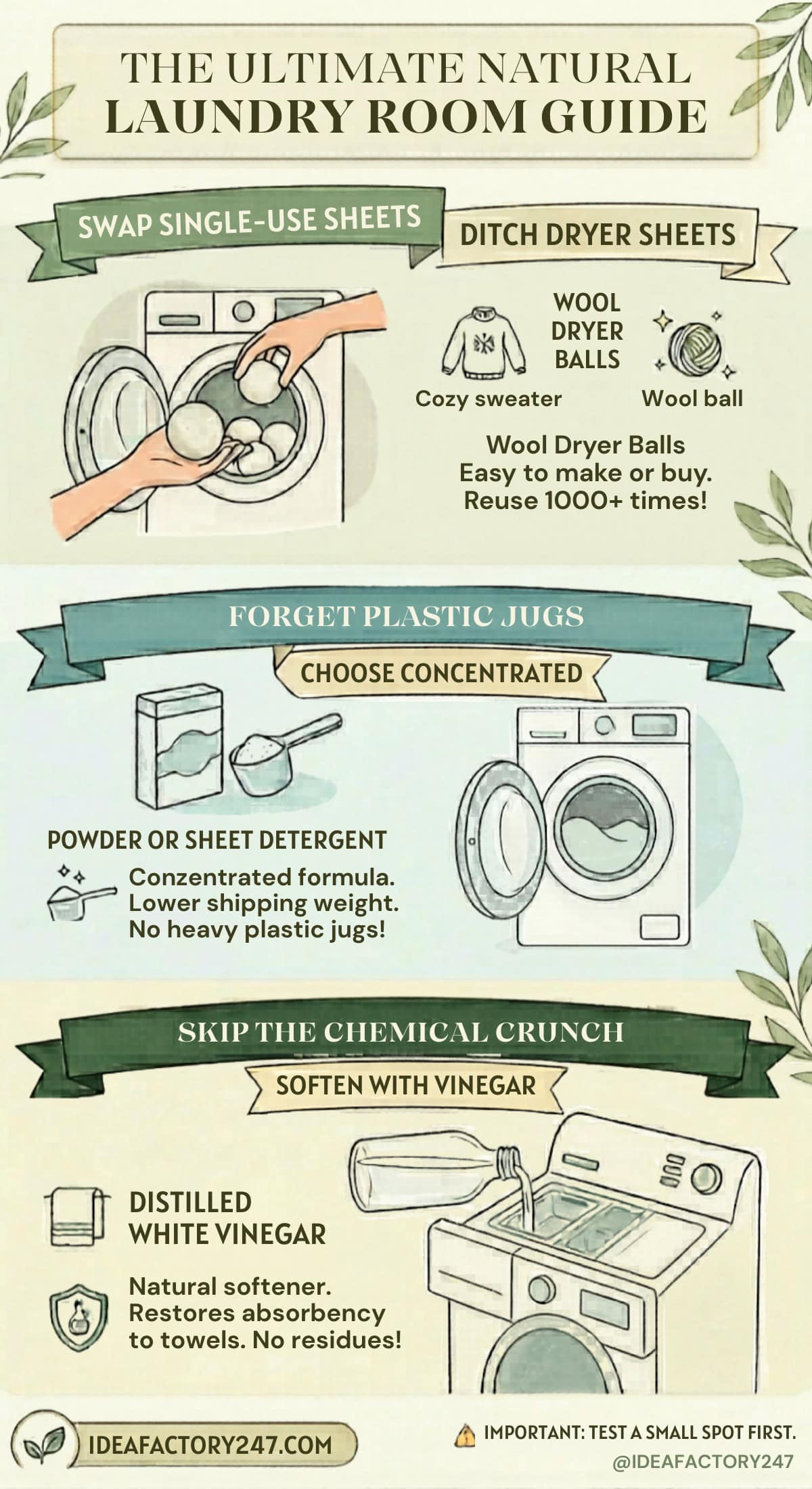
Your detergent is the base of your entire routine. Many store-bought brands leave behind a microscopic buildup that can actually make fabrics feel “crunchy” or dull over time. A high-quality natural detergent cleans effectively without the residue.
- The Goal: Clean clothes that are gentle on sensitive skin.
👉 DIY Laundry Detergent (All-Natural Recipe)
Step 2: Swap the Softener for a “Secret Weapon”
Traditional fabric softeners work by coating your fibers in a thin layer of wax or oil. It feels soft at first, but it actually makes towels less absorbent and gym clothes more prone to holding onto “stink.”
The Swap: Plain white vinegar.
The Result: It strips away mineral buildup and kills odors. And I promise—your clothes won’t smell like salad dressing! The scent disappears completely in the wash.
How to do it: Just add 1/4 to 1/2 cup to your softener dispenser.
👉 Easy recipe to make your own DIY fabric softener
Bonus: This helps reduce buildup in your washing machine too.
Step 3: Meet the Laundry MVP: Wool Dryer Balls
If you’re still using dryer sheets, this is your sign to stop. Dryer sheets are single-use plastic/chemical hybrids. Wool dryer balls are reusable for years, reduce drying time by improving airflow, and naturally soften clothes.
Pro Tip: Add 3–5 drops of organic Lavender or Lemon essential oil to the balls for a subtle, natural scent.
👉 GET STARTED: Here’s how to make your own DIY wool dryer balls

Handy Laundry Wool Dryer Balls - Natural Fabric Softener, Reusable, Reduces Clothing Wrinkles and Saves Drying Time, Better Alternative to Plastic Balls and Liquid Softener (Pack of 4)
Shop on Amazon
$9.99
All-natural fabric softener. These dryer balls are reusable, reduce wrinkles and save on drying time. Pack of 4.
We earn a commission if you make a purchase, at no additional cost to you.
09/29/2026 02:57 pm GMT
Step 4: Treat Stains Without the Harsh Fumes
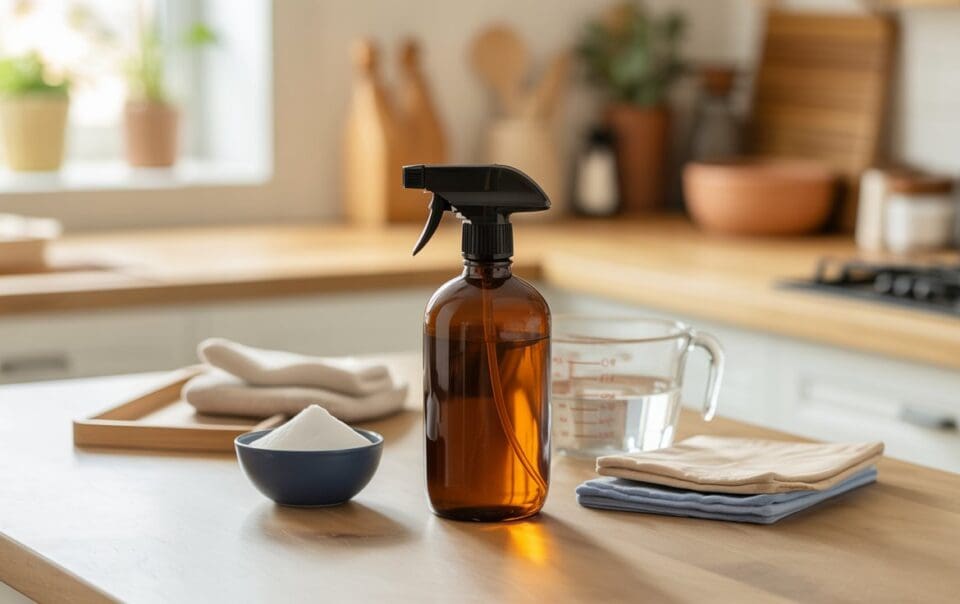
You don’t need “industrial strength” chemicals to get rid of grass or grease. Most everyday messes ( food stains, sweat marks, etc) respond beautifully to plant-based enzymes or simple oxygen boosters.
The Natural Toolkit: Lemon juice for whites, baking soda for odors, and a plant-based spray for the rest.
👉 DIY laundry stain remover spray recipe
Step 5: Clean the Machine (The Step Everyone Skips)
This is the “Aha!” moment. Over time, washers build up mold, detergent residue, and “scrud” in the seals. I didn’t realize my 7-year-old washer had a lingering odor until I actually cleaned it—and the difference in my clothes was immediate.
- The Routine: Run a hot cycle with vinegar or a natural cleaner once a month.
- Result: A cleaner machine equals cleaner clothes. It’s that simple.
👉 How to (Easily) Clean Your Washing Machine Naturally
Step 6: Don’t Forget the Laundry Room Floors
To keep the “Zen” feeling consistent, treat your laundry room floors with the same care as your clothes. Using a non-toxic floor cleaner ensures that when you drop a “clean” sock, it actually stays clean.
👉 Homemade Natural Floor Cleaner Recipe
Using a simple, non-toxic cleaner keeps your space fresh, safe and consistent with your routine.
The Vinegar Rule
Vinegar is a miracle worker, but use it wisely:
- YES: Great for odors, softening, and brightening.
- NO: Never use it on natural stone floors (like marble) or on delicate elastic (like some high-end swimwear) too frequently.
👉 READ MORE: Things You Should NEVER Clean with Vinegar
The Natural Laundry Starter Kit
If you are ready to overhaul your space, here is your shopping list:
| Ingredient | Purpose |
| White Vinegar | Softener, Deodorizer, Machine Cleaner |
| Baking Soda | Whitening booster and odor absorber |
| Essential Oils | Natural fragrance (Lavender, Eucalyptus, Lemon) |
| Wool Dryer Balls | Reducing dry time and static |
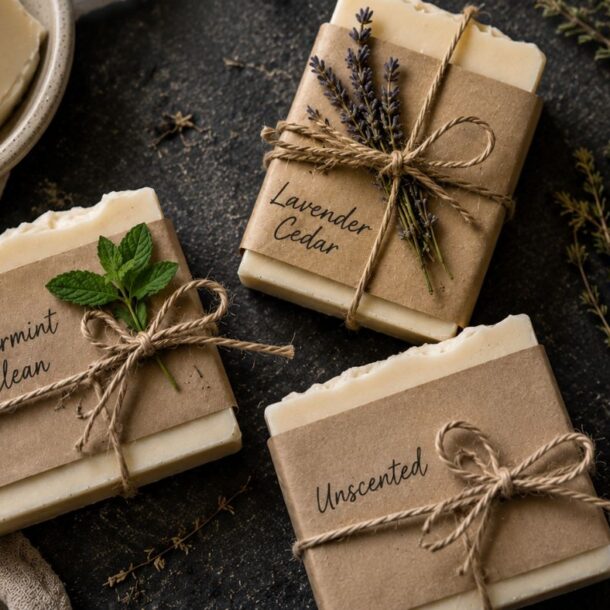
| Castile Soap | The base for many DIY detergent recipes |
Imagine This…
You walk into your laundry room and it just feels fresh. There’s a soft, clean scent in the air, a load of laundry gently tumbling, and everything has its place.
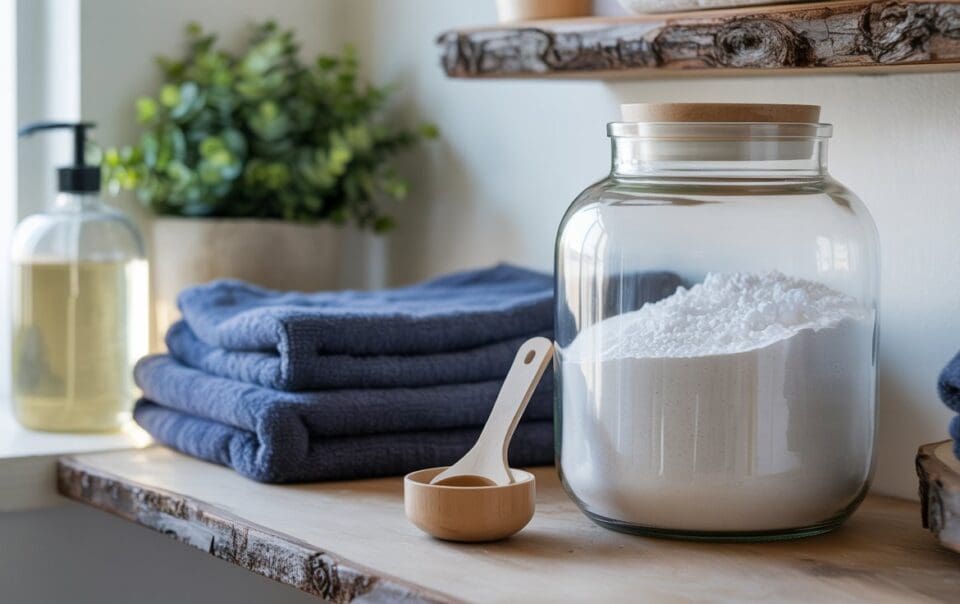
Glass jars of detergent sit neatly on a shelf (no more “loud” plastic packaging), a woven basket holds your wool dryer balls, and the floors are clean enough to reflect the morning light. The counters are clear, the clutter is gone, and instead of feeling like a chore zone, the space feels like a little reset corner of your home.
Final Thoughts
Switching to a natural laundry routine isn’t about doing more—it’s about doing less, but better. It simplifies your shopping list, protects your family’s skin, and turns a mundane chore into a moment of intentionality. Once you make the switch, you’ll never want to go back to the “Mountain Spring” chemicals again.
FAQs About Natural Laundry Routines
Does natural laundry detergent actually work?
Yes—when made correctly, it cleans just as effectively as store-bought options without leaving behind residue.
Will my clothes still smell fresh?
Yes! You can use essential oils or rely on the clean, neutral scent of truly clean laundry.
Are dryer balls better than dryer sheets?
Yes—they’re reusable, chemical-free, and reduce drying time.
How often should I clean my washing machine?
About once a month for best results. But honestly, even if you do it a few times a year, it will make such a difference.
Please note: This website contains affiliate links. As an Amazon Associate, we earn from qualifying purchases at no additional cost to you.
.