Please note: This website contains affiliate links. As an Amazon Associate, we earn from qualifying purchases at no additional cost to you.
.
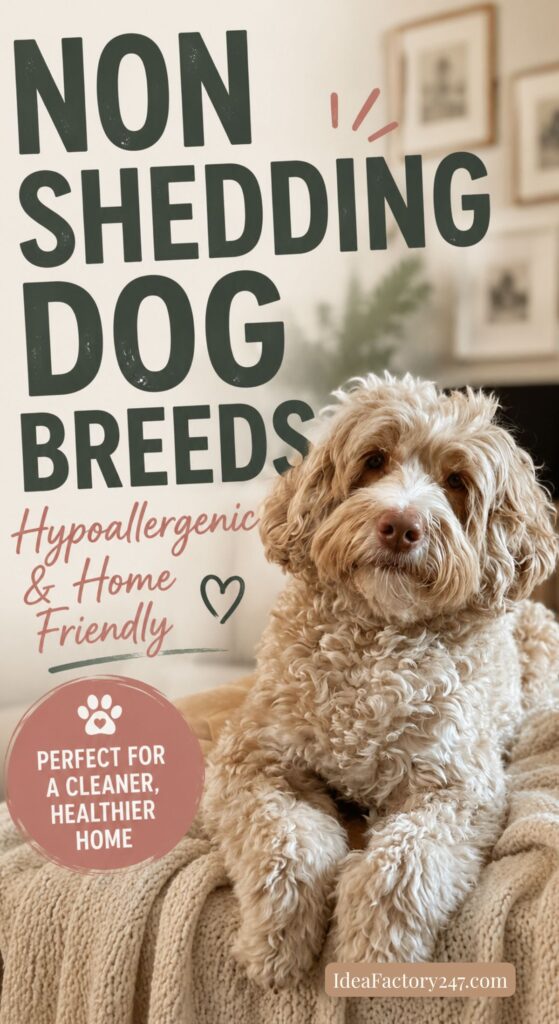
Let me tell you about my friend’s goldendoodle, Betty.
She did everything right — well, almost everything. She was looking for fluffy, hypoallergenic dogs that were allergy-friendly and didn’t shed. She found an adorable litter online, and brought home the cutest puppy you’ve ever seen. Fast forward a year, and that “goldendoodle” looks exactly like a golden retriever, sheds like it’s getting paid by the pound, and her lint roller budget rivals her grocery bill.
The Betty the dog is wonderful. The vacuuming situation is not.
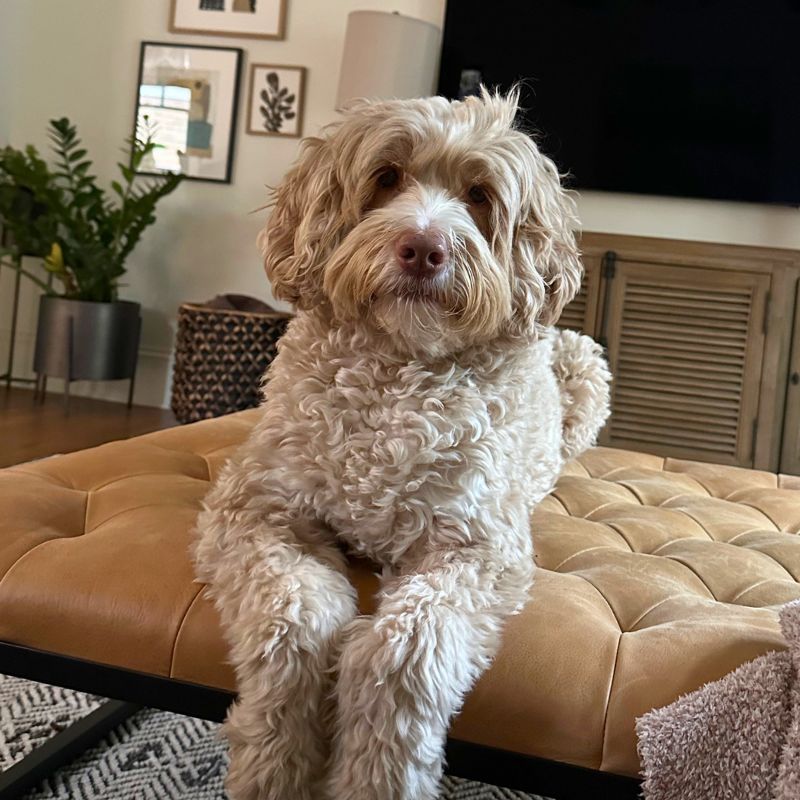
So consider this your friendly guide to hypoallergenic dogs that actually live up to the label — plus the one section I wish my friend had read first. (I’ve got a hypoallergenic pup of my own, so this list comes with personal field testing. He would like you to know he’s very cute and available for modeling work.)
First, a Quick Truth Bomb: No Dog Is 100% Hypoallergenic
I know, I know. But here’s the deal — allergies are triggered by dander, saliva, and skin proteins, not fur itself. “Hypoallergenic” breeds have hair that grows continuously instead of shedding on a cycle, which means way less dander floating around your house and clinging to your couch.
Translation: less sneezing, less vacuuming, and black pants that stay black. That’s the promise. These breeds deliver on it better than anyone.
Wait — Aren’t Doodles Hypoallergenic?
Here’s the section my friend needed. Doodles (goldendoodles, bernedoodles, all the -oodles) are mixes. That means every puppy is a genetic coin flip between the poodle parent’s no-shed coat and the other parent’s shed-everywhere coat.
A reputable breeder does coat testing and can tell you which way each puppy leans. A not-so-reputable breeder will happily sell you “hypoallergenic” with a wink and no testing at all — and that’s how you end up with a golden retriever in a doodle costume.
Here’s the trend nobody warns you about.
Right now, Pinterest and Instagram are full of “novelty” doodle mixes — Bernedoodles, Sheepadoodles, Dalmadoodles, Schnoodles, you name it. These are first-generation crosses: one purebred parent, one poodle parent, and the coat is a genuine 50/50 gamble every single time. Cute concept, unpredictable results.
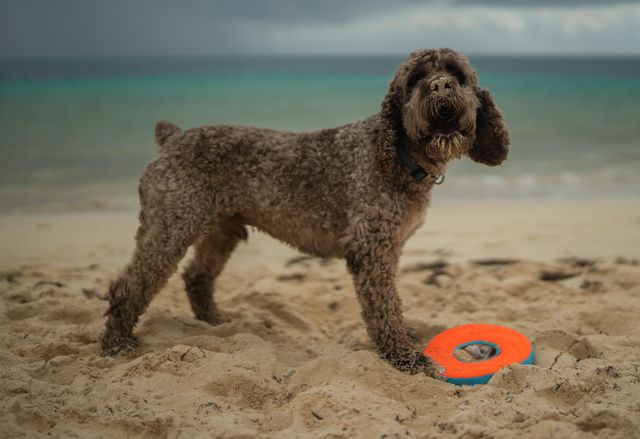
The original doodle is actually the Australian Labradoodle — and the name is a common mix-up. It’s not a Labrador crossed with an Australian Shepherd. It refers to where the breed was developed: Australia, in the 1980s, specifically to create a reliable low-shed service guide dog.
The key difference is what happened after that first generation.
Instead of continuously crossing back to Labrador or Poodle parents (the way most “doodle” breeders do), Australian Labradoodle breeders bred doodles to doodles for generations, deliberately selecting for the low-shed coat every time and other genetic traits that are great for service dogs.
That’s the difference between an F1 Bernedoodle (a coin flip) and a multigenerational Australian Labradoodle (a sure thing).
My own dog Archie is proof — he’s an ninth generation Australian Labradoodle, and that generational breeding means his whole litter is reliably non-shedding, no exceptions.
So if your heart is set on a doodle:
- Ask how many generations back the breeding program goes. F1 (first-generation) is a gamble. Multigenerational programs, like true Australian Labradoodles, are bred specifically for a stable, predictable coat.
- Ask about coat genetics testing — the furnishings gene is what predicts a low-shed coat, and reputable breeders test for it regardless of generation.
- Don’t assume the trendy novelty mix (Bernedoodle, Sheepadoodle, etc.) works the same way — most of these are still early-generation crosses without the decades of selective breeding behind them.
- If the breeder can’t answer generation or coat questions, that’s your sign to keep looking.
Or — hear me out — just get one of the purebreds below, where the coat isn’t a gamble at all.
Small Hypoallergenic Dogs
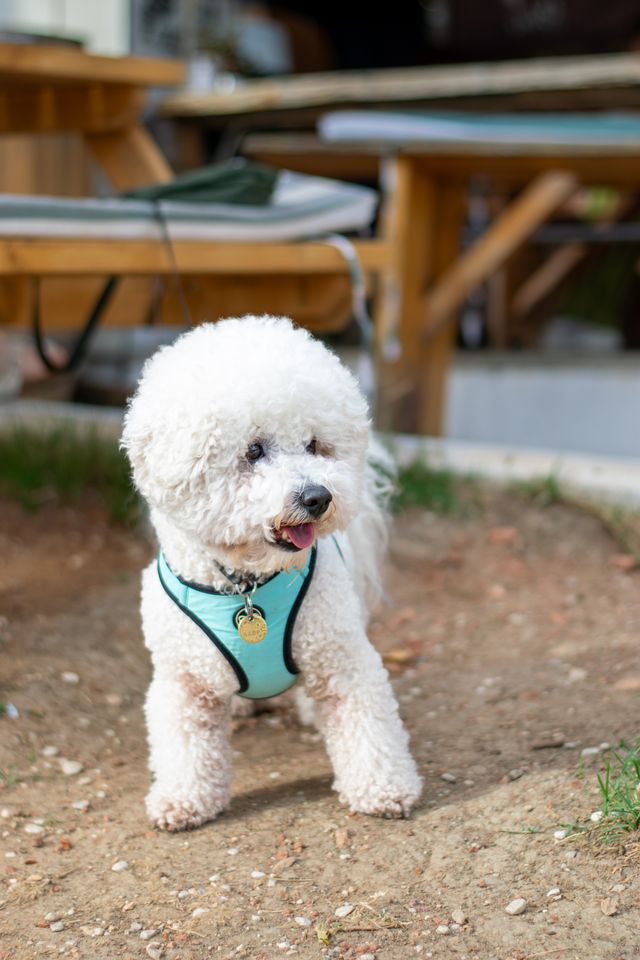
1. Bichon Frise
A cheerful cotton ball with legs. Bichons are famously happy, great with kids, and their curly coat barely drops a hair. Regular grooming required (that cloud doesn’t maintain itself).
2. Maltese
Silky, tiny, and convinced they’re royalty. All hair, no undercoat, basically zero shedding. A dream lap dog for apartments and quieter households alike. The Maltese is one that we highly recommend for seniors who are looking for a new pup. Check out the best breeds for seniors.
3. Shih Tzu
Bred for a thousand years to do one job: be delightful company. Their long coat sheds minimally, especially in a low-maintenance puppy cut.
4. Toy & Miniature Poodle
The gold standard. The coat every doodle wishes it had. Absurdly smart, endlessly trainable, and truly low-allergen.
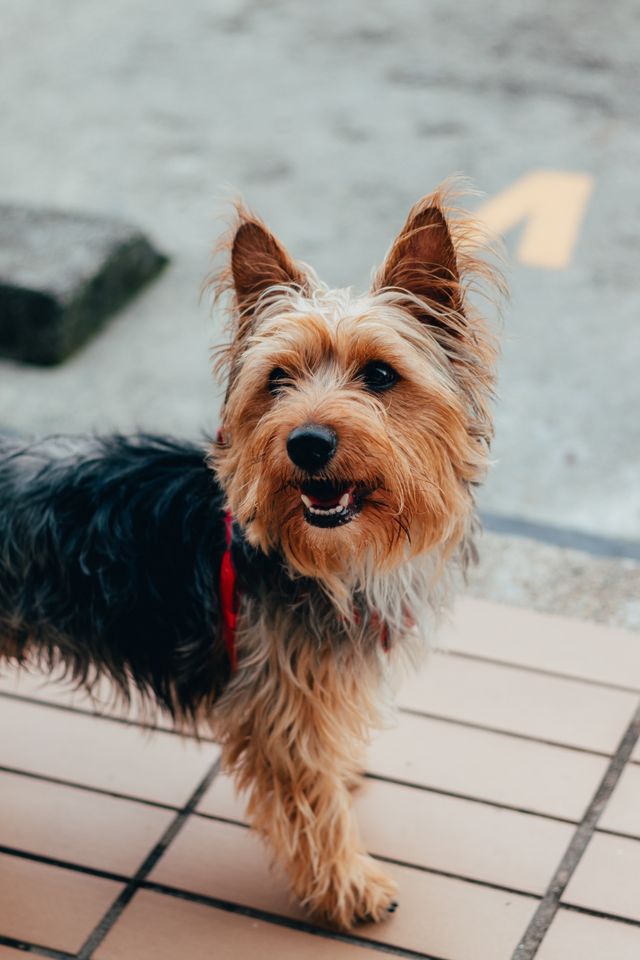
5. Yorkshire Terrier
Hair like yours (genuinely — it’s closer to human hair than fur), which means minimal shedding and maximum tiny-dog confidence.
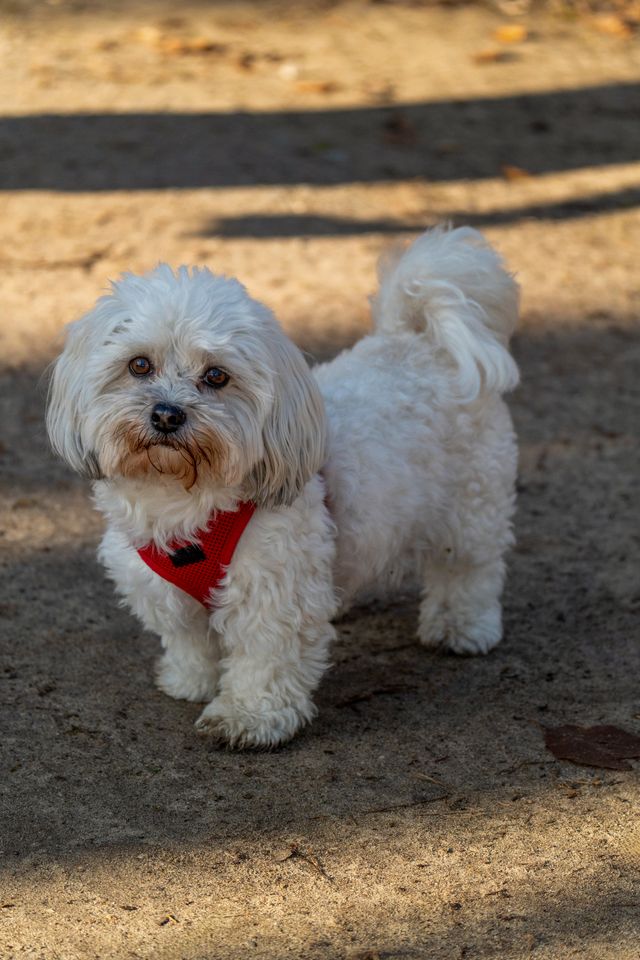
6. Havanese
Silky, sturdy, sociable little charmers who want to be wherever you are. Great with children and other pets.
Medium Hypoallergenic Dogs
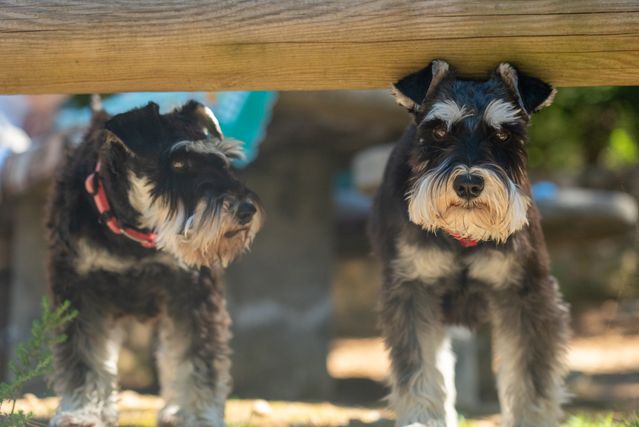
7. Miniature Schnauzer
The mustachioed gentleman of the dog world. Wiry double coat sheds very little, and the personality is 100% spunk.
8. Portuguese Water Dog
The Obamas’ pick, and for good reason: athletic, curly-coated, family-loving, and low-shed. Needs real exercise, rewards you with real devotion.
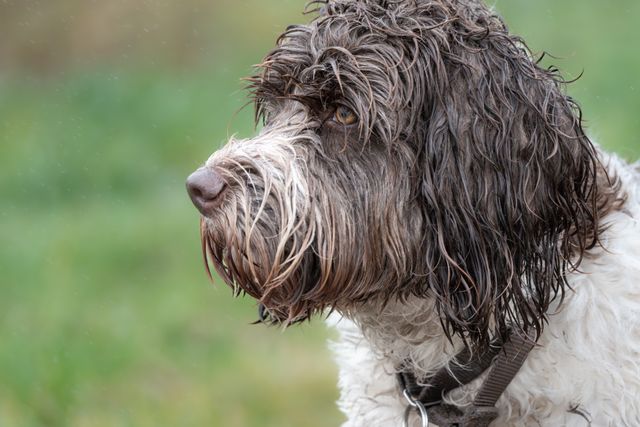
9. Lagotto Romagnolo
Italy’s truffle-hunting teddy bear. Curly, low-shedding, and criminally underrated. Prepare to answer “what breed IS that?” on every walk.
10. Wheaten Terrier (Soft Coated)
A silky, wavy coat, a famously joyful “Wheaten greetin’,” and shedding so minimal you’ll forget lint rollers exist.
11. Kerry Blue Terrier
Striking slate-blue coat, zero undercoat, big personality. For families who want a medium dog with main-character energy.
Large Hypoallergenic Dogs
12. Standard Poodle
Everything great about the toy poodle, supersized. Athletic, brilliant, gentle with kids, and still barely sheds. Arguably the best family dog nobody gives enough credit to.
13. Giant Schnauzer
A loyal, protective powerhouse with the same low-shed wiry coat as its mini cousin. Needs training and exercise; delivers devotion.
14. Airedale Terrier
The “King of Terriers.” Wiry, low-shedding coat and a clownish streak that keeps families laughing.
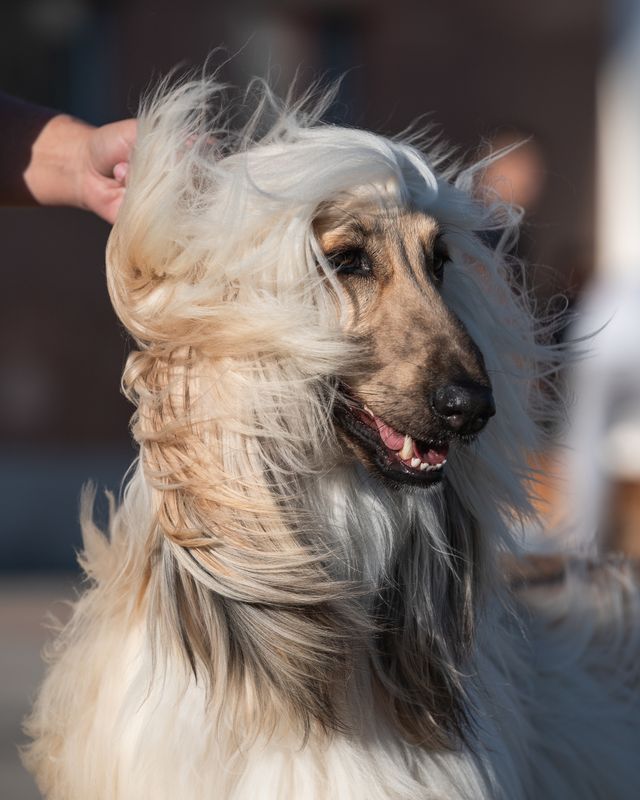
15. Afghan Hound
Glamorous, silky, and surprisingly low-dander. High grooming, low shedding, maximum drama. The supermodel of this list.
The Grooming Trade-Off (Read This Before You Commit)
Here’s the fine print nobody puts on the cute puppy photos: hair that doesn’t shed keeps growing. That means most of these breeds need brushing a few times a week and professional grooming every 4–8 weeks, or you’ll end up with a matted situation that’s no fun for anyone.
Think of it as a trade: less hair on your furniture, more hair appointments than you have. Worth it? (Speaking from my own couch, which is fur-free: absolutely.)
How to Actually Find a Reputable Breeder
Since my friend’s story is the whole reason this article exists, let’s finish the job:
- Meet the parents (the dog parents — though the human ones matter too)
- Ask for health and coat testing documentation — good breeders volunteer this before you ask
- Visit in person or via video call — see where the puppies are raised
- Be suspicious of “available now, ship anywhere” energy
- Or adopt! Breed-specific rescues exist for nearly every dog on this list, including doodles whose families didn’t read this article first
Hypoallergenic Dogs That Don’t Shed: FAQs
What’s the best hypoallergenic dog for families with kids?
Bichon Frise, Standard Poodle, and Havanese are the sweet spot of patience, playfulness, and low-shed coats.
What’s the calmest hypoallergenic dog?
Shih Tzu and Maltese are happiest doing absolutely nothing next to you. (Both also star in our best dog breeds for seniors guide.)
Are there hypoallergenic dogs that don’t need grooming?
Not really — no-shed coats grow continuously. Short “puppy cuts” minimize the workload.
Do hypoallergenic dogs completely stop allergy symptoms?
No dog is allergen-free, but low-shed breeds dramatically reduce dander in your home. Spend time with the breed before committing if allergies are severe.
Please note: This website contains affiliate links. As an Amazon Associate, we earn from qualifying purchases at no additional cost to you.
.