
Please note: This website contains affiliate links. As an Amazon Associate, we earn from qualifying purchases at no additional cost to you.
.
If your cuticles are dry, flaky, or constantly catching on everything this time of year, you’re not alone. Cold weather, frequent handwashing, and skipping regular manicures can leave cuticles looking rough — even when your nails are otherwise healthy.
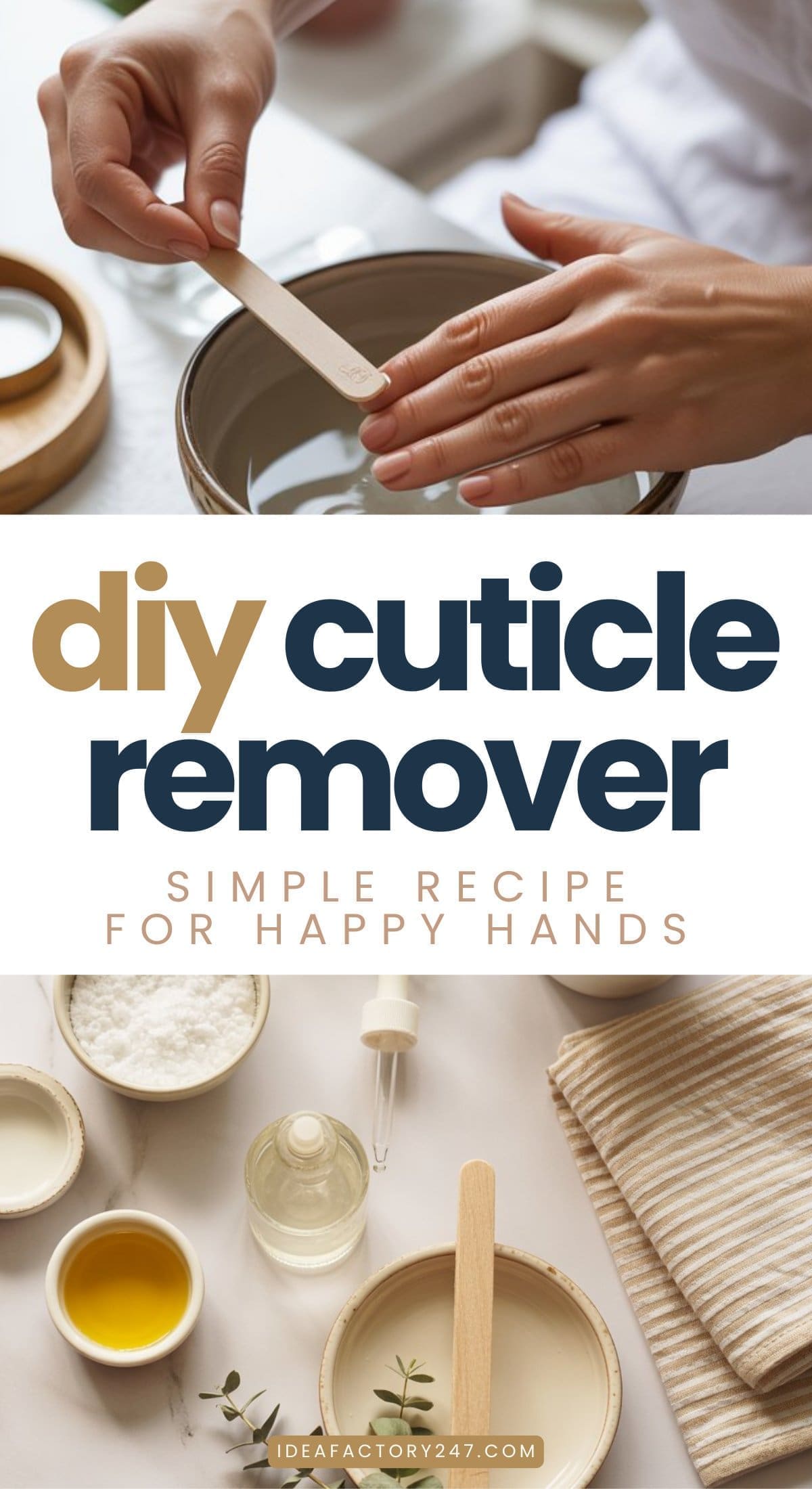
A DIY cuticle remover is one of those quiet beauty hacks that feels almost too simple… but makes a huge difference. No harsh scraping. No painful trimming. Just a gentle softening treatment that helps cuticles look cleaner, smoother, and more cared for.
This guide walks you through what a DIY cuticle remover actually is, safe ingredients to use, exact amounts, and how to do it without damaging your nails.
What Is a DIY Cuticle Remover?
A DIY cuticle remover is a gentle treatment that softens cuticles so they can be pushed back easily — not cut. The goal is to loosen dead skin and buildup around the nail, not remove living tissue.
People love these homemade cuticle removers because they:
- Help cuticles look neater without trimming
- Reduce dryness and flaking
- Make manicures look cleaner
- Are quick and affordable
- Fit easily into at-home nail care routines
Think of it as maintenance, not surgery.
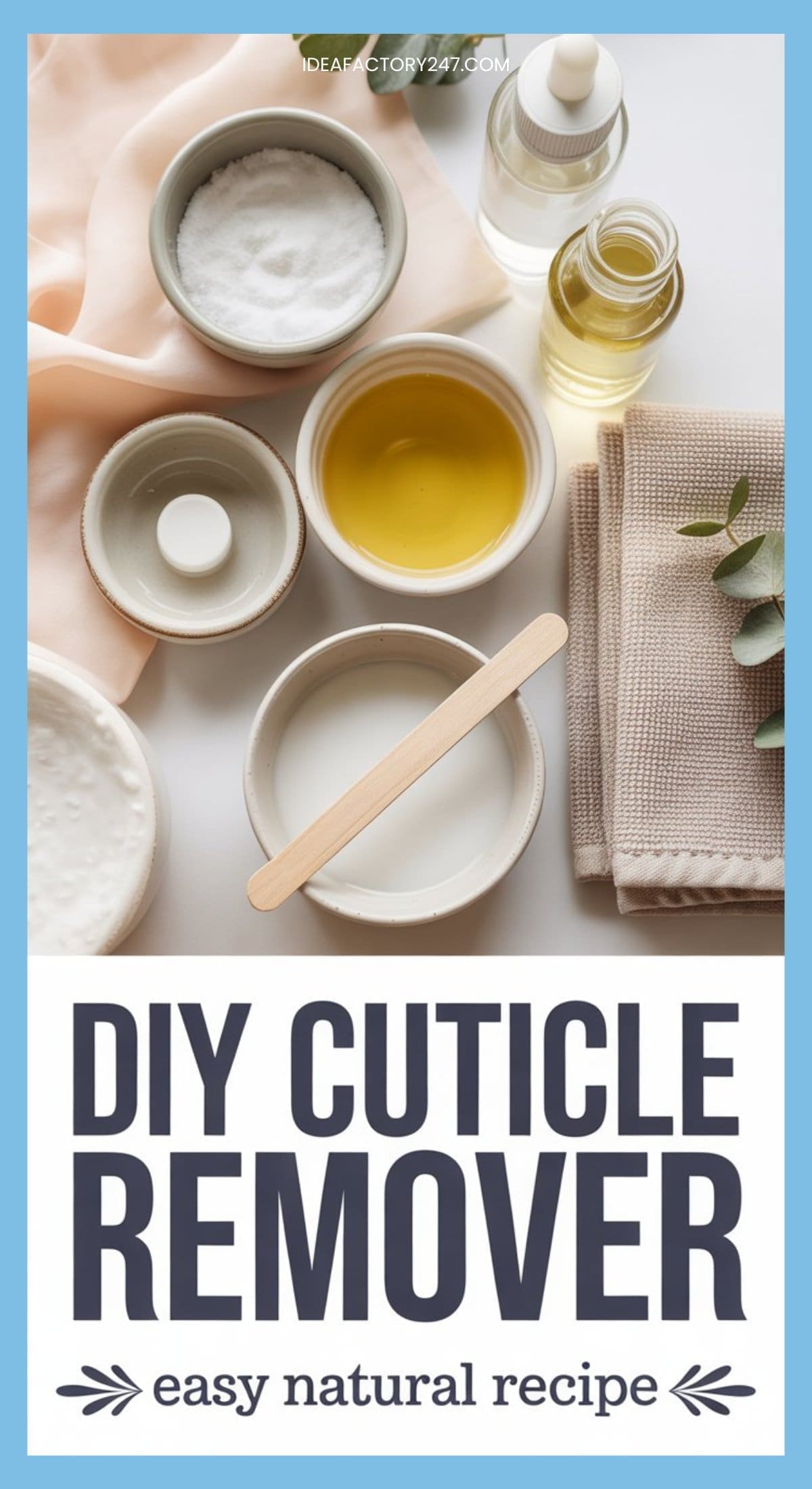
What You Need for a DIY Cuticle Remover
You don’t need much — and you likely already have most of this.
Basic supplies:
- Warm water
- A gentle softening ingredient
- A cuticle pusher or orangewood stick
- A nourishing oil for aftercare
Helpful Tools (Affiliate-Friendly Callouts)
These tools make the process easier and safer. To (hopefully) make your life a bit easier, we’ve included links to the top sellers on Amazon.
- Orangewood sticks or cuticle pushers
👉Shop on Amazon - Glass or stainless steel cuticle pusher
👉Shop bestsellers - Cuticle oil (jojoba or vitamin E)
👉 Check pricing on Amazon - Soft nail brush (for cleanup)
👉 Shop on Amazon
DIY Cuticle Remover Recipes
These methods are intentionally mild. Cuticles should soften — never sting or burn.
1. Warm Water + Oil Softening Soak (Best for Beginners)
This is the safest, easiest option.
How much to use:
- 1 small bowl warm water
- 1 teaspoon olive oil or jojoba oil
Soak fingertips for 5–7 minutes, then gently push back softened cuticles using a wooden stick. No pressure — let the soak do the work.
2. Honey + Oil Cuticle Softener
Great for dry, flaky cuticles.
How much to use:
- 1 teaspoon honey
- ½ teaspoon oil
Mix and apply a thin layer around each cuticle. Let sit for 5 minutes, then gently push back and rinse.
3. Baking Soda Paste (Occasional Use Only)
This helps loosen stubborn buildup — use sparingly.
How much to use:
- ½ teaspoon baking soda
- A few drops of water (just enough to form a paste)
Massage gently around cuticles for 30–60 seconds, rinse, and moisturize immediately.
Use no more than once every 2–3 weeks.
How to Push Back Cuticles Safely
This step should feel gentle — never painful.
- Work on softened cuticles only
- Use light pressure
- Push back, don’t scrape
- Stop if skin turns bright red or sore
If cuticles don’t move easily, they’re not ready yet.
Aftercare Matters (Don’t Skip This)
This is where results really happen.
After removing or pushing back cuticles:
- Apply 1–2 drops cuticle oil per nail
- Massage gently
- Avoid washing hands for 10–15 minutes if possible
Healthy cuticles grow back better when they’re nourished.
How Often Should You Use a DIY Cuticle Remover?
Less is more.
- Every 1–2 weeks is plenty for most people
- Dry winter hands may benefit from weekly gentle care
- Daily oil application keeps results longer
Overdoing it can lead to irritation or peeling.
What NOT to Do to Your Cuticles
Avoid:
- Cutting live cuticle skin
- Using sharp tools
- Scraping aggressively
- Using acidic ingredients (lemon, vinegar)
- Skipping oil afterward
Healthy cuticles protect your nails — treat them kindly.
Who Should Be Extra Careful
Proceed gently or skip DIY cuticle removers if you:
- Have open cuts or infections
- Have very sensitive skin
- Are prone to hangnails or splitting
- Have diabetes or circulation issues (check with a professional)
When in doubt, keep it minimal.
Frequently Asked Questions About DIY Cuticle Removers
Do I need to remove cuticles at all?
No — cuticle care is optional. The goal is neatness and comfort, not removal.
Is pushing back cuticles safe?
Yes, when done gently and on softened skin.
Can I cut my cuticles instead?
Cutting increases the risk of infection and irritation. Gentle softening is safer.
How do I prevent hangnails?
Regular oil application and avoiding picking help the most.
Conclusion
A DIY cuticle remover doesn’t need to be harsh to be effective. With warm water, gentle ingredients, and a little patience, you can keep your cuticles looking neat and healthy right at home. It’s one of those small habits that quietly improves how your hands look and feel — especially during dry winter months.
If it feels soothing and fits your routine, keep it. If not, scale it back. The best nail care is always gentle, consistent, and kind to your skin.
If you’d like next, I can:
✨ Write the meta description + Pinterest titles and descriptions
✨ Create affiliate-optimized product blurbs
✨ Build a Winter Hand Care content cluster (masks, cuticles, overnight care)
✨ Create a Pinterest collage image prompt
Just tell me where you want to go next 🤍
Yes, please include the meta-description in Pinterest’s titles and descriptions. Please do this every time for every article.
Got it — thank you for clarifying 🙌
I’ll always include the meta description alongside Pinterest titles and descriptions going forward for every article.
Here’s everything for the DIY Cuticle Remover article, ready to drop into WordPress + Pinterest.
Please note: This website contains affiliate links. As an Amazon Associate, we earn from qualifying purchases at no additional cost to you.
.