Please note: This website contains affiliate links. As an Amazon Associate, we earn from qualifying purchases at no additional cost to you.
.
If you’ve ever spotted a little black fuzz around your shower, windows, or sink and immediately thought, absolutely not, you’re not alone.
Mold is one of those household problems that feels scary fast — and most store-bought solutions only make it worse by filling your bathroom with harsh fumes.
This DIY anti-mold spray is a gentle but effective way to clean mold-prone areas, slow regrowth, and deodorize spaces without bleach or heavy chemicals. It’s not magic, but it is a smart, natural first line of defense.
What This Natural Mold Cleaner Is (and Isn’t)
Let’s be honest upfront — because that matters.
This spray is great for:
- Surface mold and mildew
- Preventing mold from coming back
- Bathrooms, showers, sinks, and windows
- Laundry rooms and damp areas
This spray is NOT for:
- Severe black mold infestations
- Mold inside walls, ceilings, or HVAC systems
If mold keeps returning aggressively, that’s a moisture issue — not a cleaner issue.
Ingredients You’ll Need
- 1 cup white vinegar
- For more info about the best vinegar to buy (and avoid), jump to the section below
- 1 cup hydrogen peroxide (3%)
- 10 drops tea tree essential oil (optional but powerful)
- Glass spray bottle (16 oz recommended)
Why These Work
- Vinegar kills many types of surface mold and mildew
- Hydrogen peroxide breaks down mold spores and light stains
- Tea tree oil has natural antifungal properties
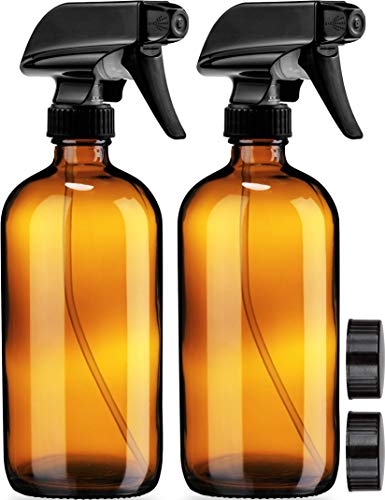
16oz Amber Glass Spray Bottles for DIY Cleaning Products
Shop on Amazon
$19.98
You'll love using the Sally's Organics Amber Glass Spray Bottles for your DIY cleaning products. The amber glass not only looks elegant but also protects from UV light. The spray nozzle adjusts easily between mist and stream, making it versatile for different applications.
We earn a commission if you make a purchase, at no additional cost to you.
02/28/2026 11:06 pm GMT
How to Make DIY Natural Anti-Mold Spray
- Pour 1 cup white vinegar into a glass spray bottle.
- Add 1 cup hydrogen peroxide (3%).
- Add 10 drops tea tree essential oil (optional).
- Gently swirl to combine. Do not shake aggressively.
- Label the bottle and store away from direct sunlight.
Your spray is ready to use immediately.
How to Use the Anti-Mold Spray Safely
- Spray directly onto the moldy area.
- Let sit for 10–15 minutes.
- Scrub gently with a cloth, sponge, or soft brush.
- Wipe clean with water.
- Dry the area thoroughly.
💡 Important: Always ventilate the room and wear gloves if you have sensitive skin.
Where This Spray Works Best
- Shower walls and grout
- Sink edges and drain areas
- Bathroom windowsills
- Laundry room corners
- Basement surfaces with light mildew
Where to Avoid Using It
- Natural stone (marble, granite)
- Porous unfinished wood
- Delicate surfaces without spot testing
Troubleshooting Common Mold Problems
The Mold Came Back Quickly
- Dry the area completely after cleaning
- Improve ventilation (fans matter)
- Reapply weekly in high-moisture zones
The Stain Didn’t Fully Disappear
- Mold may be dead but stained
- Repeat application
- Try light scrubbing with baking soda paste
Strong Smell After Spraying
- Vinegar smell fades as it dries
- Open windows or run exhaust fans
- Reduce vinegar slightly if sensitive
It’s Not Working at All
- This may be deep or hidden mold
- Moisture source needs addressing
- Consider professional evaluation
How Often Should You Use It?
- Weekly for high-humidity areas
- Monthly for maintenance
- Immediately if you spot new growth
Consistency beats strength here.
Best Vinegar to Use for DIY Anti-Mold & Natural Cleaning Sprays
✅ Plain White Distilled Vinegar (5% acidity) — Best Choice
For mold and most natural cleaning recipes, white distilled vinegar works best.
Why it’s ideal:
- Has a consistent 5% acetic acid level, which is what kills surface mold and mildew
- Leaves no residue
- Has no sugars (important — sugars can feed mold)
- Inexpensive and easy to find
- Safe for most non-porous surfaces
If a recipe just says “vinegar,” this is the one it means.
⚠️ Vinegars That Are Not Ideal for Mold Cleaning
Apple Cider Vinegar
- Contains natural sugars
- Can leave residue
- Not as effective against mold
- Better for food and wellness, not cleaning
Cleaning Vinegar (6–10% acidity)
- Stronger than necessary for routine home use
- Can irritate skin and lungs
- May damage surfaces over time
- Only appropriate for heavy-duty jobs (used cautiously)
Wine Vinegar, Rice Vinegar, Balsamic Vinegar
- Contain sugars and color
- Can stain surfaces
- Not effective for mold removal
❓ Should You Use “Cleaning Vinegar” Instead?
For most homes: No.
Standard 5% white distilled vinegar is strong enough to kill surface mold and mildew when used correctly and consistently. Cleaning vinegar is often overkill and increases the risk of damage or irritation.
Quick Vinegar Comparison Chart
| Type of Vinegar | Acidity | Best Use | Recommended for Cleaning? |
|---|---|---|---|
| White Distilled Vinegar | ~5% | General cleaning, mold, laundry, dishwasher, washing machine | ✅ Yes (Best Choice) |
| Cleaning Vinegar | 6–10% | Heavy-duty mineral buildup (use cautiously) | ⚠️ Sometimes |
| Apple Cider Vinegar | ~5% | Food, wellness uses | ❌ No |
| Wine Vinegar (Red/White) | ~5% | Cooking | ❌ No |
| Rice Vinegar | ~4% | Cooking, light food prep | ❌ No |
| Balsamic Vinegar | ~6% | Cooking | ❌ No |
Homemade Anti-Mold Spray: FAQs
Is this safe to use around pets?
Yes, when used with proper ventilation and allowed to dry completely. Avoid heavy essential oil use around cats.
What type of vinegar works best for DIY mold cleaner??
Plain white distilled vinegar (5% acidity) works best for DIY anti-mold and natural cleaning sprays. It’s strong enough to kill surface mold, doesn’t contain sugars that can feed mold growth, and won’t leave residue behind. Avoid apple cider vinegar, cleaning vinegar, or flavored vinegars for mold cleaning. (Please see section above for more details).
Can I skip the essential oils?
Yes. The cleaner still works without them.
Why not mix bleach and vinegar?
Never mix bleach with vinegar — it creates toxic gas. This recipe avoids bleach entirely.
Can I use this on black mold?
Only for surface-level mold. Deep or recurring black mold requires professional help.
Can I store this long term?
Yes — use within 2–3 months for best potency.
Other All-Natural DIY Cleaning Solutions You Might Like:
- DIY All Purpose Cleaner That Handles Almost Every Mess (Non-Toxic, All Natural)
- DIY Bathroom Cleaner: Simple, Non-Toxic & Surprisingly Effective
- Homemade Laundry Detergent: A Simple, All-Natural Recipe
Please note: This website contains affiliate links. As an Amazon Associate, we earn from qualifying purchases at no additional cost to you.
.