

Please note: This website contains affiliate links. As an Amazon Associate, we earn from qualifying purchases at no additional cost to you.
.
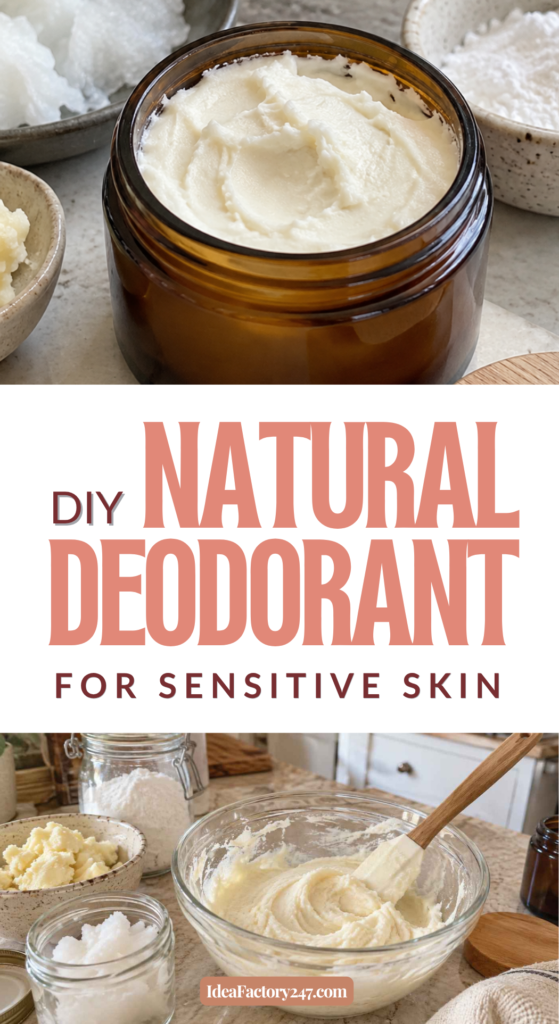
Making your own DIY natural deodorant cream is surprisingly easy, inexpensive, and requires just a handful of ingredients. Plus, you can skip the artificial fragrances and customize the recipe to suit your skin.
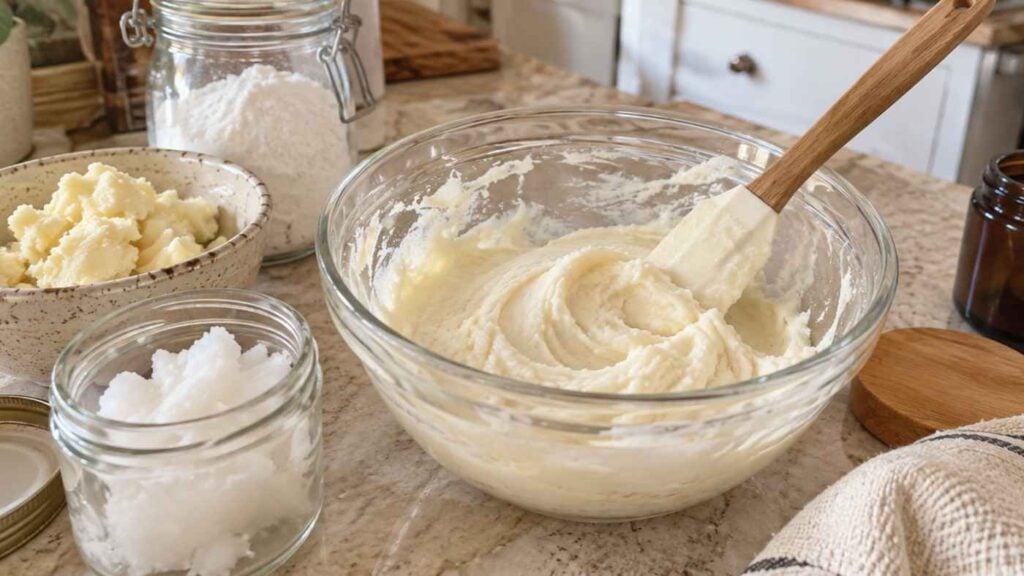
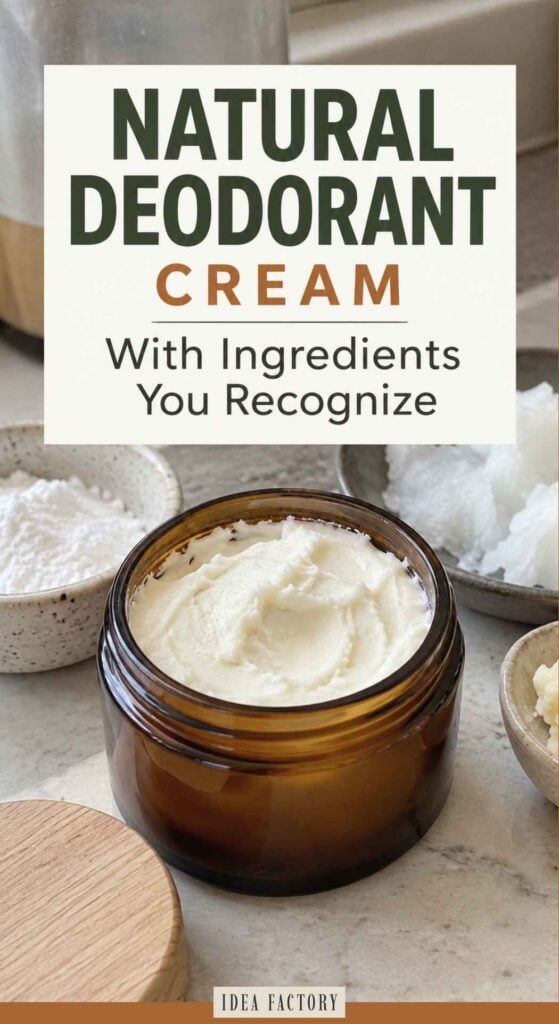
Unlike traditional deodorant sticks, homemade deodorant cream has a soft, scoopable texture that you apply with your fingertips. It’s easy to make, doesn’t require special molds, and can be stored in a small reusable jar.
Below, I’m sharing two simple homemade deodorant recipes, including a baking soda-free option for sensitive skin. We’ll also cover a few natural ways to manage body odor and some helpful tips for getting the best results.
Why Make Your Own Natural Deodorant Cream?
If you’ve ever spent $12 or more on a tiny container of natural deodorant, you’ll appreciate how affordable the homemade version can be.
Making your own also means you know exactly what’s going into it. You can skip added fragrance, adjust the consistency, and reuse the same container. And because it’s a cream rather than a stick, you don’t have to worry about getting the texture firm enough to hold its shape.
Just remember that deodorant and antiperspirant aren’t the same thing. Deodorant helps manage odor, while antiperspirant reduces sweating. This homemade version won’t stop you from sweating, and its effectiveness will vary from person to person.
What Makes This Homemade Deodorant Work?
The recipe combines moisturizing oils with ingredients that help manage moisture and odor.
Shea butter and coconut oil create the creamy base, while arrowroot powder helps absorb some surface moisture.
Magnesium hydroxide is commonly used in natural deodorants to help control odor. It’s a baking soda-free alternative, although even gentle-looking ingredients can irritate some people’s skin. For a more traditional homemade deodorant, you can use a small amount of baking soda instead.
DIY Natural Deodorant Cream Recipe (Baking Soda-Free)
This is my recommended starting recipe, as it’s great for anyone with sensitive skin. It uses just four ingredients and creates a soft, scoopable deodorant cream without baking soda or added fragrance.
Prep Time: 10 minutes
Cooling Time: 30–60 minutes
Yield: Approximately 2 ounces
Ingredients
| Ingredient | Amount | Purpose |
|---|---|---|
| Shea butter | 20 g | Creates a creamy texture |
| Coconut oil | 15 g | Helps the cream spread |
| Arrowroot powder | 15 g | Absorbs some moisture |
| Cosmetic-grade magnesium hydroxide | 10 g | Helps manage odor |
You’ll also need a small heatproof bowl, a saucepan, a spatula, and a clean, dry 2-ounce cosmetic jar.
How to Make Your Deodorant
- Melt: Gently melt the shea butter and coconut oil using a double boiler.
- Mix: Remove from heat and gradually stir in the arrowroot powder and magnesium hydroxide until smooth.
- Cool: Allow the mixture to cool, stirring occasionally as it thickens.
- Store: Transfer to a clean, dry jar and let it finish setting.
That’s it! Your homemade deodorant cream is ready to try once it has cooled completely.
How to use: Apply a pea-sized amount to each clean, dry underarm and gently rub it into your skin. Allow it to absorb before getting dressed.
Patch-test on a small area of intact skin first. Avoid using immediately after shaving or on irritated skin, and discontinue use if redness or itching develops.
Quick note: This is a small-batch DIY formulation, not a clinically tested deodorant. Its texture, skin compatibility, and odor-control effectiveness may vary. For our FAQs and troubleshooting tips, jump to that section below.

Raw Shea Butter 100% Pure
Shop on Amazon
$17.50
This Pure African Unrefined Shea Butter. Skin Moisturizer for Face and Body with Natural Smoky Scent. Use for homemade Soap Base, DIY Whipped Lotion, Deodorant, Lip Balm and more.
We earn a commission if you make a purchase, at no additional cost to you.
10/08/2026 04:17 pm GMT
** If you’d rather create a traditional stick deodorant (instead of the cream), check out this recipe: DIY Deodorant Stick.
Classic Homemade Deodorant Cream Recipe With Baking Soda
If you’ve made DIY deodorant before, you’ve probably seen recipes that use baking soda. It’s a popular ingredient because its alkalinity can help neutralize certain odors.
However, baking soda can also irritate sensitive underarm skin, so this version isn’t for everyone.
Ingredients
| Ingredient | Amount |
|---|---|
| Shea butter | 20 g |
| Coconut oil | 15 g |
| Arrowroot powder | 22 g |
| Baking soda | 3 g |
Instructions: Follow the same four steps as the baking soda-free recipe above, substituting the arrowroot and baking soda mixture for the original dry ingredients.
Apply a very thin layer to clean, dry underarms. If you experience irritation, discontinue use rather than trying to let your skin adjust.
Which recipe is better? I’d start with the baking soda-free version, particularly if you have sensitive skin. Neither formula is guaranteed to control odor, but the magnesium hydroxide version avoids the high alkalinity of baking soda.
How to Customize Your Homemade Deodorant Cream
One of the nice things about making your own deodorant is that you can experiment with the consistency.
- For a firmer cream: Try increasing the shea butter slightly and reducing the coconut oil by the same amount.
- For a softer cream: Add a little more coconut oil and reduce the shea butter.
- For a less greasy texture: Experiment with slightly more arrowroot powder, but don’t overdo it or the cream may feel chalky.
- For an unscented version: Simply follow the recipes as written. Neither requires essential oils.
I’d recommend keeping your first batch simple. Once you know how the basic formula feels on your skin, you can make small adjustments to future batches.
How to Store Your Natural Deodorant
A small, reusable cosmetic jar is perfect for this recipe. I particularly like the 4 ounce amber glass jars or little aluminum tins because they’re practical and look cute on a bathroom shelf.

4 oz Amber Glass Jars with Lids
Several Sizes Available
$8.99
Set of 4 jars. Perfect for your DIY skin care products.
We earn a commission if you make a purchase, at no additional cost to you.
10/08/2026 03:56 pm GMT
Store your deodorant in a cool, dry place away from direct sunlight. Coconut oil softens in warm temperatures, so your cream may become runnier during summer.
Because these homemade recipes don’t contain added water, they generally have a lower microbial growth risk than water-based creams. However, they haven’t undergone stability or preservation testing, so there’s no verified shelf life.
Make small batches, keep water out of the container, and use a clean, dry cosmetic spatula when possible. Discard the product if you notice unusual odors, discoloration, or signs of contamination.
Cute DIY Deodorant Packaging Ideas
If you enjoy making homemade skincare products, why not give your deodorant cream a pretty container? Small amber jars with kraft labels create a simple apothecary look, while aluminum tins are great for travel.
You could even make a label that says:
HOMEMADE DEODORANT CREAM
Baking Soda-Free
Shea Butter + Coconut Oil
Add the date you made it to the bottom of the label.
If you’re considering making deodorant as a gift, remember that these homemade formulas haven’t been safety or stability tested. It’s best to keep experimental batches for personal use.
Troubleshooting Homemade Deodorant
Homemade skincare doesn’t always turn out perfectly on the first try. Fortunately, most texture issues are easy to troubleshoot.
| Problem | What to Try |
|---|---|
| Cream is too runny | Store somewhere cooler or use more shea butter next time. |
| Cream feels grainy | Stir while cooling to help prevent shea butter from crystallizing unevenly. |
| Deodorant feels greasy | Apply less or slightly increase the arrowroot in your next batch. |
| White marks on clothes | Use a thinner layer and let it settle before dressing. |
| Deodorant isn’t controlling odor | Try a different formulation or a tested commercial deodorant. |
| Underarms become irritated | Stop using the product immediately. |
If you live somewhere warm, you may need to adjust the oil-to-butter ratio seasonally.
Frequently Asked Questions
Does homemade deodorant actually work?
Homemade deodorant may help manage body odor, but results vary. Ingredients such as magnesium hydroxide and baking soda are commonly used in deodorant formulations, although these particular recipes haven’t been tested for effectiveness.
Can I make deodorant cream without baking soda?
Absolutely! Our primary recipe uses cosmetic-grade magnesium hydroxide instead of baking soda. This avoids one common source of irritation, although the finished product can still cause skin reactions.
Will natural deodorant stop sweaty armpits?
No. Deodorant helps manage odor, while antiperspirant reduces sweat production. If excessive sweating is your main concern, an antiperspirant may be more effective.
Can I add essential oils to homemade deodorant?
Essential oils can add fragrance, but they aren’t necessary and may irritate sensitive underarm skin. For these beginner recipes, I’d recommend keeping things fragrance-free.
Can I use my DIY natural deodorant every day?
Some people tolerate homemade deodorant with daily use, while others experience irritation. Always patch-test first, avoid broken skin, and discontinue use if you develop redness, itching, or discomfort.
How to Get Rid of Body Odor Naturally
Let’s talk about something nobody particularly enjoys discussing: body odor.
Here’s something interesting—sweat itself usually doesn’t smell bad. That unpleasant underarm odor develops when bacteria on your skin break down certain components of sweat. Your underarms are particularly prone to this because they’re warm, often damp, and home to plenty of bacteria.
While homemade deodorant may help manage odor, a few everyday habits can also make a difference.
1. Keep Your Underarms Clean and Dry – Wash your underarms regularly with a gentle cleanser, especially after sweating. Dry your skin thoroughly before applying deodorant.
2. Wear Breathable Clothing – Cotton, linen, and moisture-wicking fabrics can help keep your skin comfortable. Some synthetic materials trap odors, even after washing.
3. Don’t Overapply Deodorant – More isn’t necessarily better! A thin layer of deodorant cream is usually all you need. Using too much can leave a greasy residue on your skin and clothing.
4. Pay Attention to Your Clothes – Sometimes persistent body odor is coming from your favorite workout shirt rather than your skin. Wash sweaty clothing promptly and make sure everything dries completely.
A quick note about natural body odor remedies: You may see recommendations to apply lemon juice, vinegar, or rubbing alcohol directly to your underarms. I’d skip those. They can irritate delicate skin, and citrus juice can cause additional problems with sun exposure.
If you notice a sudden or unexplained change in body odor, or persistent odor despite good hygiene, co
Final Thoughts
Making your own DIY natural deodorant cream is a fun, inexpensive way to experiment with homemade personal care products.
With just four ingredients, you can create a soft, scoopable cream that doesn’t require any special molds or complicated equipment.
I’d start with the baking soda-free version, keep your first batch small, and see how your skin responds.
And if you enjoy making your own natural personal care products, be sure to check out our other DIY recipes, including homemade mouthwash and traditional deodorant sticks.
Who knows? You might end up with a whole little collection of homemade bathroom essentials!
Please note: This website contains affiliate links. As an Amazon Associate, we earn from qualifying purchases at no additional cost to you.
.