Please note: This website contains affiliate links. As an Amazon Associate, we earn from qualifying purchases at no additional cost to you.
.
There’s a difference between a lip balm that feels nice for a few minutes and one that actually makes your lips feel better hours later.
Most of us have tried a lot of the first kind.
At some point, you start noticing that no matter how often you apply lip balm, your lips still feel dry underneath it. That’s usually what leads people to start looking into more nourishing options.
That’s where tallow comes in.
This tallow lip balm recipe is a simple way to make a homemade lip balm that feels richer, lasts longer, and actually helps support your lips instead of just sitting on top of them.
What Is Tallow and Why Use It in Lip Balm?
If you’re not familiar with tallow, it’s rendered beef fat that’s been purified and used for skincare.
That might sound a little unusual at first, but it’s actually been used for generations because of how well it works with the skin. Tallow is rich in:
- fatty acids that help support the skin barrier
- vitamins like A, D, E, and K
- deeply moisturizing properties that last longer than lighter oils
In a lip balm, this means:
- better hydration
- longer-lasting moisture
- a smoother, more protective feel
It’s less about quick results and more about lasting comfort.
Why Tallow Lip Balm Feels Different
Compared to a traditional DIY lip balm, tallow has a richer, more nourishing texture. Instead of needing to reapply constantly, many people find that it:
- stays on longer
- helps reduce dryness over time
- feels more like skincare than just a product
If you’ve been cycling through lip balms that don’t seem to do much, this is usually where things start to feel different.
How to Make Tallow Lip Balm at Home
If you’re new to DIY lip balm, this process is very similar across most recipes, with just a few ingredient swaps depending on what you’re making.
Ingredients
- 1 tablespoon beeswax pellets
- 2 tablespoons rendered tallow (grass-fed if possible)
- 1 tablespoon jojoba oil or olive oil
- 5–10 drops essential oil (optional)

Instructions
- Add beeswax, tallow, and oil to a heat-safe bowl
- Melt using a double boiler method
- Stir until everything is fully combined
- Remove from heat and let cool slightly
- Add essential oils if using
- Pour into lip balm tubes or small containers
- Let it fully set before using
This is one of the easiest ways to make a natural lip balm that feels noticeably more nourishing.
How to Get the Texture Just Right
Tallow behaves slightly differently than lighter oils, so small adjustments can help you get the exact texture you want.
- If your lip balm feels too firm, reduce the beeswax slightly.
- If it feels too soft, add a bit more beeswax.
- If you want a smoother glide, increase the oil just a little.
Most homemade lip balm recipes take one or two adjustments before they’re perfect for your preference.
Common Mistakes When Making Tallow Lip Balm
- Using too much beeswax can make the balm feel stiff.
- Using too much oil can reduce how long it lasts on your lips.
- Not mixing thoroughly can lead to uneven texture.
- Using unrefined tallow without filtering can affect scent and texture.
These are easy to fix once you know what to look for.
How This Compares to Other DIY Lip Balms
Each type of lip balm has a slightly different purpose.
- A beeswax lip balm is great for a simple, classic option.
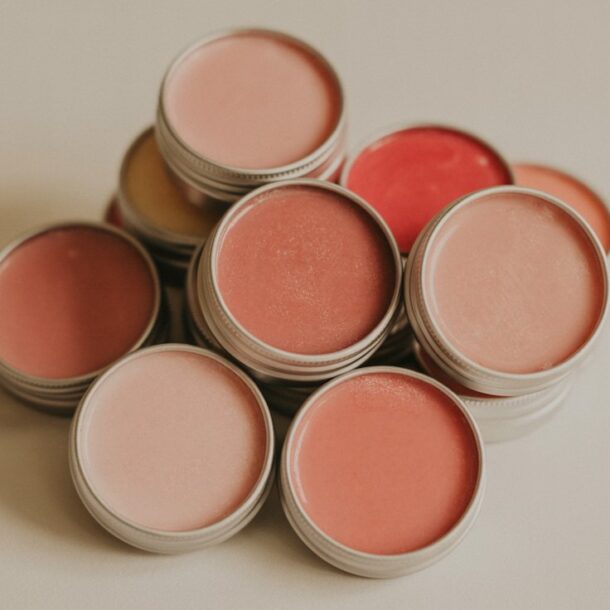
- A tinted lip balm adds color for everyday wear.
- A beetroot lip balm gives a natural tint with a DIY twist.
Tallow lip balm is different because it focuses more on:
- nourishment
- long-lasting hydration
- supporting dry or sensitive lips
When to Use Tallow Lip Balm
This is especially helpful when your lips feel consistently dry or irritated.
It works well:
- before bed for overnight hydration
- in cold or windy weather
- when your lips need more than a quick fix
Because it’s more nourishing, it’s often used less frequently but with better results.
Other Popular DIY Recipes
- Beetroot Lip Balm DIY: The Naturally Tinted Lip Balm Recipe
- Beginner Guide to DIY Tallow Soap — How to Make Simple, Nourishing Bars at Home
- DIY Lip Plumping Balm Gives You a Natural Boost – Give your lips a serious plumping!
FAQs About Tallow Lip Balm
Does tallow lip balm smell?
If properly rendered and filtered, tallow has a very mild scent that’s barely noticeable.
Is tallow safe for lips?
Yes, it’s commonly used in skincare and works well for dry or sensitive skin.
How long does homemade tallow lip balm last?
When stored properly, it can last several months.
Can I mix tallow with other oils?
Yes, oils like jojoba or olive oil help balance texture and improve application.
Is homemade better than regular lip balm?
It depends on what you need, but many people find it more nourishing and longer-lasting.
Ready to Try this Tallow Recipe?
If you’ve been looking for something that goes beyond a basic lip balm, this tallow lip balm recipe is worth trying.
Now the team at Idea Factory may be a little biased, but we truly believe that this recipe is SO simple to make, easy to adjust, and gives you a more nourishing option that actually lasts. Once you try it, it’s one of those things that can quietly replace a lot of what you were using before.
If you’re experimenting with different types of homemade lip balm, this is a great one to add to your routine alongside lighter or more cosmetic-focused versions.
Picture This….
You apply your lip balm once and don’t immediately feel like you need to reapply it again. Your lips feel softer, smoother, and actually comfortable instead of coated. It’s a subtle difference at first, but it’s noticeable.
Please note: This website contains affiliate links. As an Amazon Associate, we earn from qualifying purchases at no additional cost to you.
.