
Please note: This website contains affiliate links. As an Amazon Associate, we earn from qualifying purchases at no additional cost to you.
.
If you’ve ever tried a natural deodorant and thought, “Well… that didn’t go well,” we feel your pain!
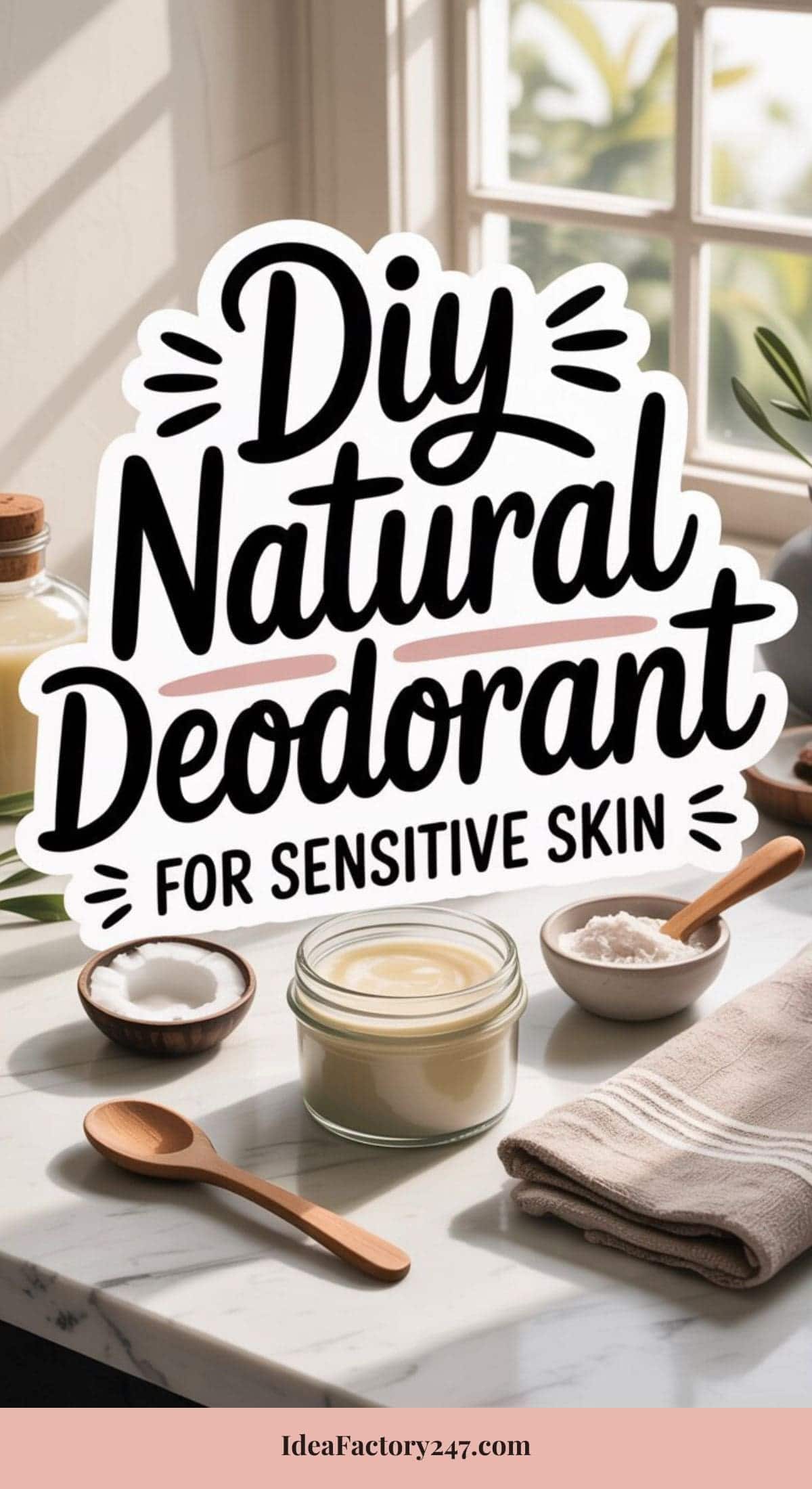
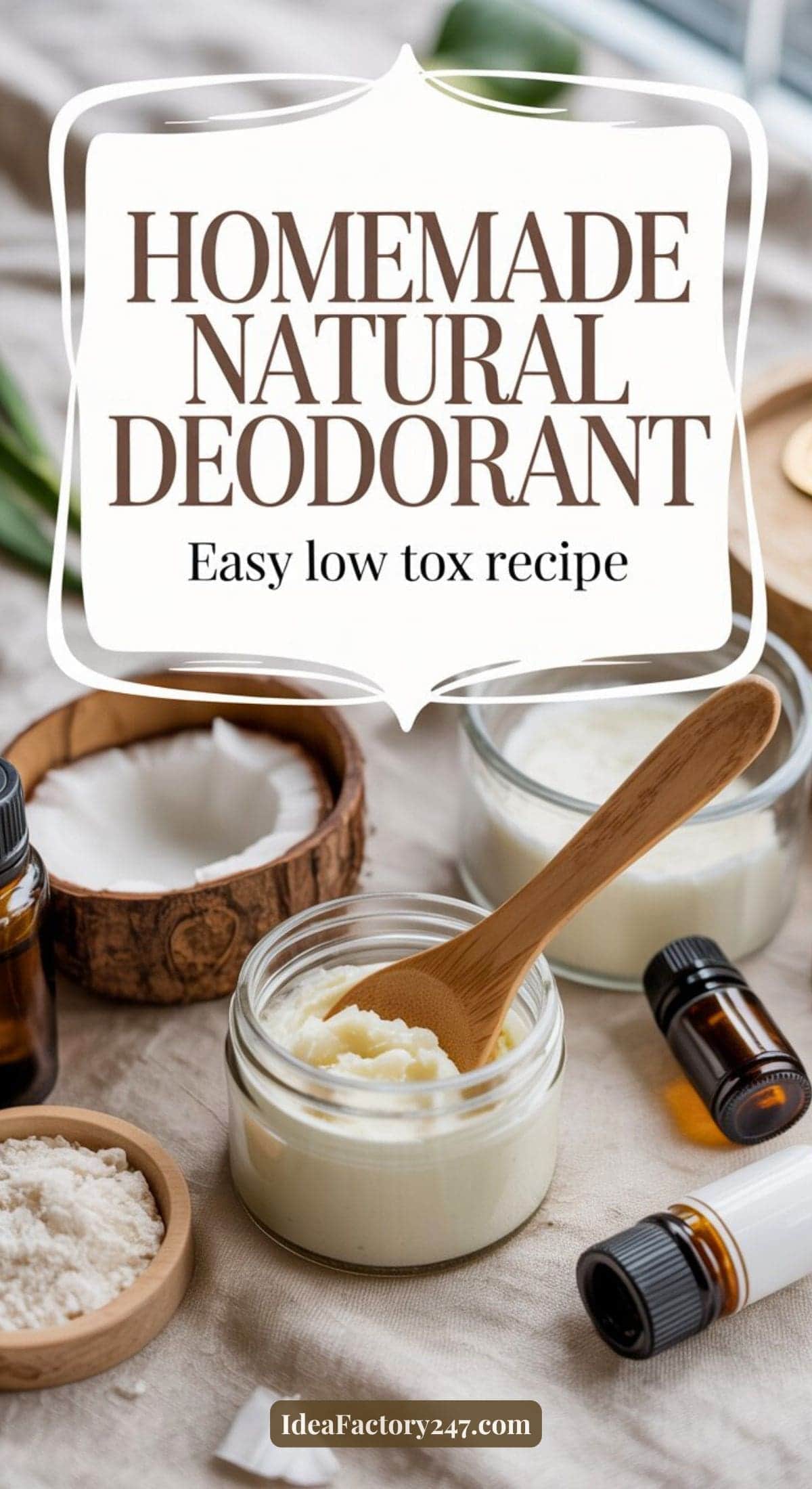
Between irritation, weird texture, or the dreaded mid-day “is that me?” moment, switching from conventional deodorant can feel intimidating. But here’s the good news: you can make your own DIY natural deodorant that’s simple, effective, and customizable — including a baking soda–free version for sensitive skin.
No complicated ingredients. No mystery chemicals. Just a clean, skin-friendly option that works with your body instead of against it.
Let’s make it.
Why Make Your Own Natural Deodorant?
There are a few reasons this DIY is worth trying:
- You control the ingredients
- It’s budget-friendly
- You can customize the scent
- It avoids aluminum and synthetic fragrances
- You can make a baking soda–free version if your skin is sensitive
Plus, once you’ve made lip balm, DIY body butter, or soap, this fits right into your DIY self-care routine.
Classic DIY Natural Deodorant Recipe
This version works beautifully for many people — but if you’re sensitive to baking soda, scroll down for the alternative.
Ingredients
- 1/4 cup coconut oil
- 1/4 cup baking soda
- 1/4 cup arrowroot powder (or cornstarch)
- 5–10 drops essential oils (lavender, tea tree, lemon, eucalyptus, or a blend)

It's Just - Arrowroot Powder, 8oz, Natural Thickener, Gluten-Free, Dairy-Free, Non-GMO, Cornstarch Substitute
Shop on Amazon
$8.49
8oz, Natural Thickener, Gluten-Free, Dairy-Free, Non-GMO, Cornstarch Substitute. Great for making your own DIY natural deodorant.
We earn a commission if you make a purchase, at no additional cost to you.
10/13/2026 08:55 pm GMT
Instructions
- In a small bowl, mix baking soda and arrowroot powder.
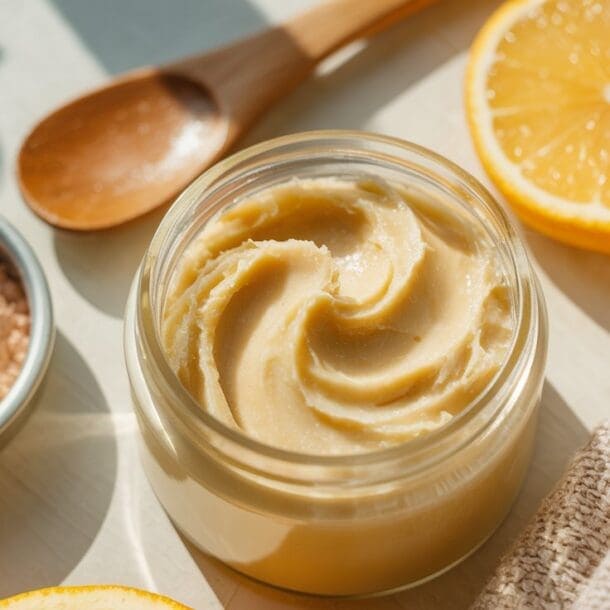
- Add softened (not melted) coconut oil and mix until smooth and creamy.
- Add essential oils and stir thoroughly.
- Transfer to a small glass jar or clean deodorant container.
- Let it set at room temperature.
To use, apply a pea-sized amount to clean underarms and rub in gently.
Baking Soda–Free DIY Natural Deodorant (For Sensitive Skin)
If baking soda irritates your skin — which is very common — this version is much gentler while still helping with moisture and odor control.
Ingredients
- 1/4 cup coconut oil
- 1/4 cup arrowroot powder
- 1 tablespoon bentonite clay (helps absorb odor)
- 1 tablespoon shea butter (optional, for extra soothing moisture)
- 5–10 drops essential oils (lavender + tea tree is a great combo)

Pure Body Naturals Bentonite Clay Powder for DIY Detox Body & Face Mask, Pure Indian Healing Clay for Deep Pore Cleansing and Armpit Detox for Women, (8.0 oz)
Shop on Amazon
$7.49
For DIY Detox Body & Face Mask and/or DIY natural deodorant without baking soda. Pure Indian Healing Clay for Deep Pore Cleansing and Armpit Detox for Women, (8.0 oz)
We earn a commission if you make a purchase, at no additional cost to you.
10/13/2026 08:56 pm GMT
Instructions
- Mix arrowroot powder and bentonite clay in a bowl.
- Add softened coconut oil (and shea butter if using).
- Stir until creamy and smooth.
- Add essential oils and mix thoroughly.
- Store in a glass jar.
Important: Use a wooden or silicone spoon when working with bentonite clay (avoid metal to preserve the clay’s properties).
This version is especially good if:
- You’ve experienced redness from baking soda
- You have dry or sensitive skin
- You’re switching from conventional deodorant and want something gentler
How Long Does It Take to Adjust?
If you’re transitioning from conventional deodorant, your body may need a short adjustment period — usually 1–2 weeks.
During this time:
- Sweat levels may feel different
- Odor might fluctuate slightly
- Your skin may need a little patience
This is normal. Your body is recalibrating without aluminum blocking sweat glands.
How to Make It Even More Effective
A few simple tweaks can help:
- Apply to completely clean, dry skin
- Reapply if needed on very hot days
- Exfoliate underarms gently 1–2 times per week (a simple DIY sugar scrub works great)
- Stay hydrated
You can also pair this with other clean body care routines — like a gentle DIY body wash or a soothing post-shower body oil.
Scent Ideas to Try
Keep it simple and light.
- Lavender + tea tree (fresh + calming)
- Lemon + eucalyptus (clean and bright)
- Peppermint (cooling and energizing)
- Sweet orange + vanilla (soft and warm)
Always patch-test essential oils first, especially if you have sensitive skin.
Storage Tips
- Store at room temperature
- If your house runs warm, keep it in a cooler area
- Coconut oil may soften in summer — this is normal
If it melts slightly, just stir and let it reset.
Is DIY Natural Deodorant Right for You?
Natural deodorant won’t completely stop sweat — and that’s actually a good thing. Sweating is a natural process.
What it can do is help neutralize odor and absorb moisture in a gentler way. And because you control the formula, you can tweak it until it works beautifully for you.
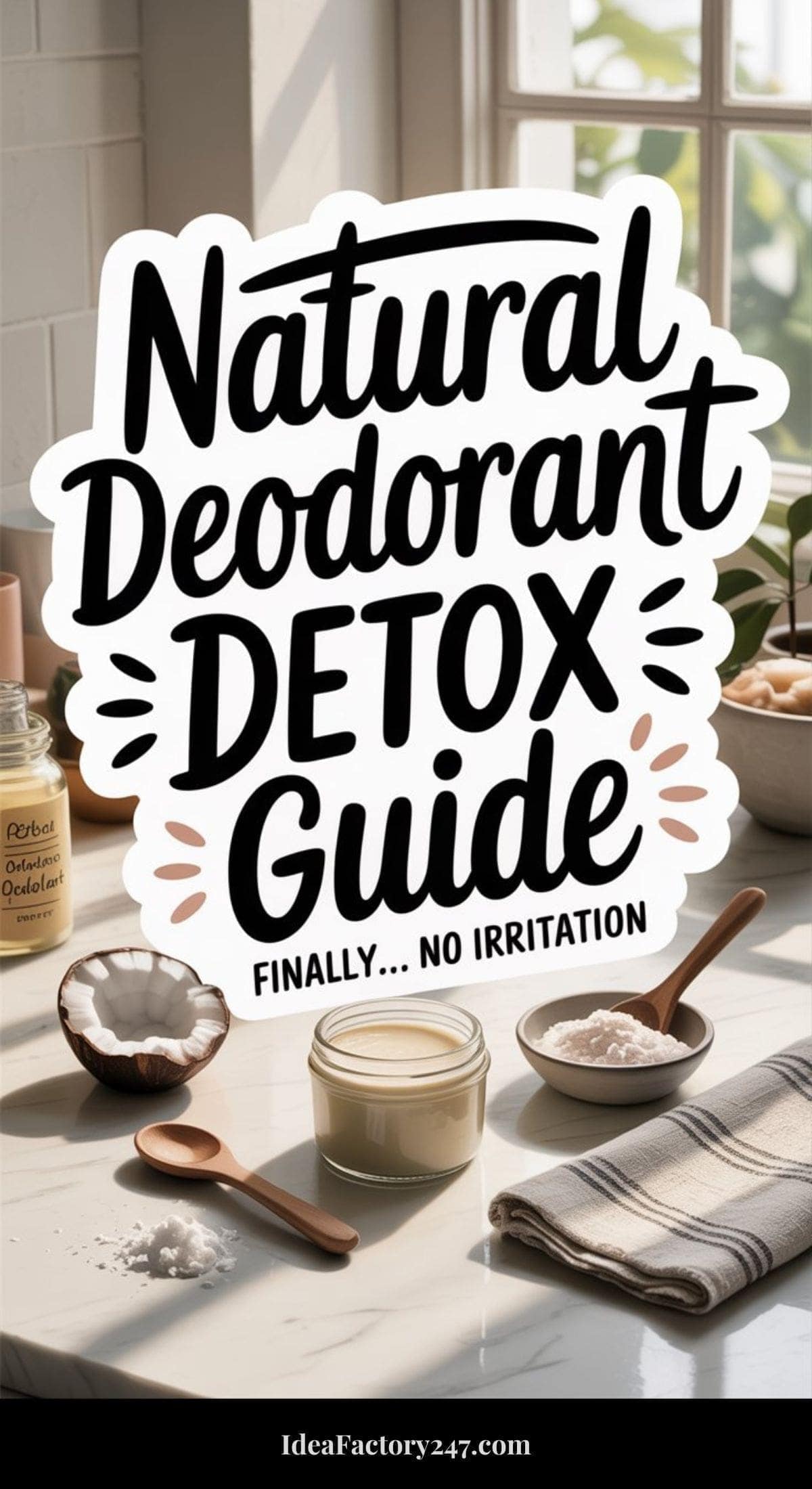
Natural Deodorant Detox Guide (What to Expect + How to Make It Easier)
If you’re switching from conventional deodorant to DIY natural deodorant, you may hear people talk about a “detox period.” Let’s clear that up in a calm, realistic way.
Your body isn’t “purging toxins.” What’s actually happening is this:
Conventional deodorants (especially antiperspirants) block sweat glands with aluminum. When you stop using them, your sweat glands simply go back to functioning normally. That adjustment period can feel different — but it’s temporary.
What You Might Notice
During the first 1–2 weeks, you may experience:
- Slightly increased sweating
- Stronger odor than usual
- Mild irritation if your skin is sensitive
- A feeling like your deodorant isn’t “working” yet
This is normal. Your body is recalibrating.
For most people, this phase lasts about 7–14 days.
How to Make the Transition Smoother
You don’t have to suffer through it. A few small habits can make the shift much easier.
1. Exfoliate Gently
Dead skin and product buildup can trap odor.
Try:
- A DIY sugar scrub (1–2 times per week)
- A soft washcloth in the shower
Keep it gentle — underarm skin is delicate.
2. Keep Underarms Clean & Dry Before Applying
Natural deodorant works best on:
- Freshly washed skin
- Completely dry underarms
Applying to damp skin can reduce effectiveness.
3. Wear Breathable Fabrics
Cotton, bamboo, and natural fibers allow airflow and reduce trapped moisture — especially helpful during the transition period.
4. Stay Hydrated
Hydration helps regulate body processes, including sweat. It won’t stop sweating (and shouldn’t), but it can support balance.
5. Be Patient (This Is the Most Important One)
Your body isn’t broken. It’s adjusting.
If odor increases temporarily, that doesn’t mean natural deodorant doesn’t work for you. It just means your sweat glands are doing what they were designed to do.
Give it two weeks before deciding whether to tweak your formula.
Optional: The Gentle Underarm Reset
If you want to support the transition, you can try a simple underarm mask once or twice during the first week. Mix:
- 1 tablespoon bentonite clay
- A splash of apple cider vinegar or water
Apply a thin layer to underarms for 5–10 minutes, then rinse. This can help draw out buildup and support the adjustment period.
Always patch test first if you have sensitive skin.
DIY Natural Deodorant FAQ
How long does homemade natural deodorant last?
Stored at room temperature, your deodorant should last 2–3 months. If it smells off or changes texture significantly, it’s time to make a fresh batch.
Will natural deodorant stop sweating?
No — and that’s a good thing. Natural deodorant helps control odor and absorb moisture, but it doesn’t block sweat glands like antiperspirants do. Sweating is a normal and healthy body function.
What if baking soda irritates my skin?
Switch to the baking soda–free version in the article. Many people with sensitive skin find arrowroot and bentonite clay much gentler.
You can also reduce essential oils or skip them entirely.
Why does my deodorant feel grainy?
Baking soda can sometimes create a slightly gritty texture. Try mixing more thoroughly, sifting dry ingredients first, or switching to the baking soda–free formula for a smoother finish.
Can I put this in an old deodorant stick container?
Yes — just make sure it’s thoroughly cleaned and sanitized first. Keep in mind that coconut oil softens in warm weather, so jars are often more reliable in summer.
How much should I apply?
Less is more. A pea-sized amount per underarm is usually enough. Applying too much can actually reduce effectiveness.
Final Thoughts
Making your own DIY natural deodorant is one of those small changes that feels surprisingly empowering. It’s simple, affordable, and easy to customize — whether you use the classic recipe or the baking soda–free version.
And honestly? There’s something really satisfying about opening your bathroom drawer and knowing you made what’s inside.
Please note: This website contains affiliate links. As an Amazon Associate, we earn from qualifying purchases at no additional cost to you.
.