Please note: This website contains affiliate links. As an Amazon Associate, we earn from qualifying purchases at no additional cost to you.
.
The toilet bowl cleaner aisle at the grocery store is one of the most chemical-heavy spots in the entire cleaning section.
Harsh acids, synthetic fragrances, chlorine bleach — most conventional cleaners are doing a number on your indoor air quality, your septic system, and frankly, your lungs every time you use them.
Here’s the thing though: you don’t need any of that to get a genuinely clean, fresh-smelling toilet. A handful of simple natural ingredients you probably already have in your kitchen will do the job just as well — and your bathroom will smell like a spa instead of a swimming pool.
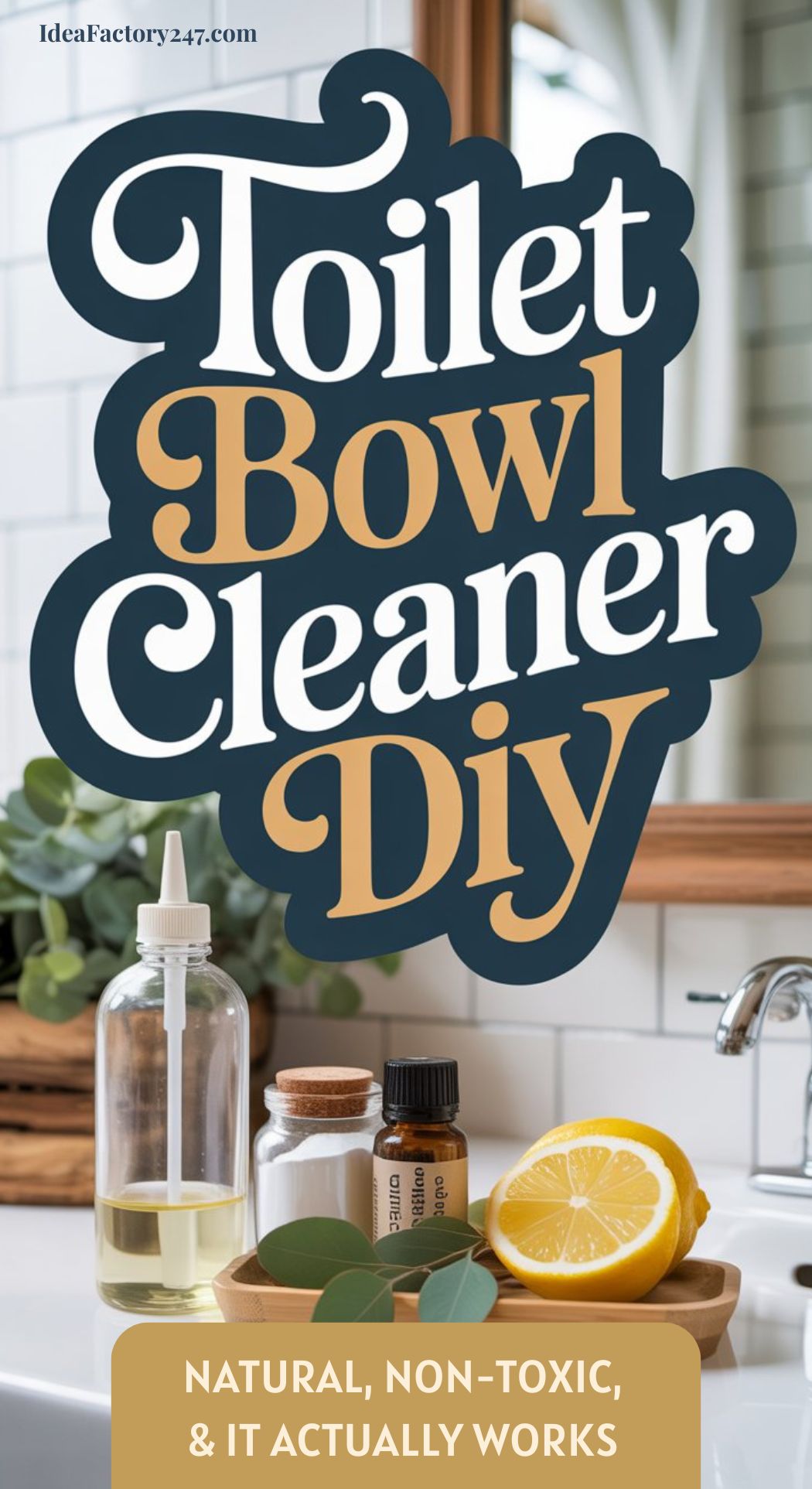
This post gives you two DIY toilet bowl cleaner recipes: a classic liquid gel cleaner for everyday use, and a bonus fizzing tablet recipe that makes cleaning almost ridiculously satisfying. Both are non-toxic, septic safe, and cost a fraction of what you’d spend at the store.
Why Make Your Own Homemade Toilet Bowl Cleaner?
Before we get into the recipes, here’s why it’s worth the switch:
It’s genuinely effective. The combination of baking soda, castile soap, and white vinegar creates a cleaning action that lifts stains, neutralizes odors, and leaves the bowl fresh — without a single harsh chemical.
It’s septic safe. Conventional toilet cleaners with bleach and strong acids can kill the beneficial bacteria your septic system needs to function. Natural ingredients won’t disrupt that balance.
It’s non-toxic. No chlorine fumes, no synthetic fragrances, no warning labels. Safe for homes with kids, pets, and anyone sensitive to chemical cleaners.
It’s incredibly cheap. A batch of the liquid cleaner costs pennies per use. The tablets cost a little more upfront but last for months.
It smells amazing. With the right essential oils, your bathroom can smell like eucalyptus, citrus, or fresh mint instead of industrial cleaner.
What You’ll Need: Natural Toilet Bowl Cleaner Ingredients
These are the core natural ingredients that power both recipes:
Baking soda — A gentle abrasive that scrubs away stains and neutralizes odors without scratching porcelain. The backbone of any natural toilet bowl cleaner recipe.
White vinegar — Cuts through mineral deposits, hard water stains, and soap scum. Also naturally antibacterial. Note: don’t mix vinegar and castile soap directly — they neutralize each other. Use them in sequence instead.
Castile soap — A plant-based liquid soap that lifts grime and adds gentle cleaning power to the liquid recipe.
Citric acid — The secret weapon in the fizzing tablets. Creates the satisfying fizz that helps the cleaning ingredients reach under the rim and into hard-to-reach spots.
Essential oils — Tea tree oil is naturally antibacterial and antifungal. Eucalyptus, peppermint, and lemon all have cleaning properties and smell incredible. Use whichever you love.
Hydrogen peroxide — Optional but effective for extra whitening and disinfecting power, especially for hard water stains.
Recipe #1 | DIY Natural Liquid Toilet Bowl Cleaner
This is your everyday workhorse — a thick, gel-style cleaner that clings to the sides of the bowl long enough to actually do its job. It takes about five minutes to make and lasts for weeks.
Ingredients
- 1 cup water
- ¼ cup castile soap (unscented or lemon-scented)
- 1 tablespoon baking soda
- 10 drops tea tree essential oil
- 10 drops lemon or eucalyptus essential oil (your choice)
- Optional: 2 tablespoons white vinegar (add separately — see note below)
Instructions
- Combine the water, castile soap, and baking soda in a squeeze bottle or a repurposed dish soap bottle. Stir or swirl gently to combine — don’t shake vigorously or you’ll have a soap bubble situation on your hands.
- Add your essential oils and swirl again to distribute.
- Label your bottle and store it under the bathroom sink or in your cleaning closet.
To use: Squirt generously around the inside of the bowl, making sure to get under the rim. Let it sit for at least 5 minutes — longer for tough stains. Scrub with a toilet brush and flush. For extra deodorizing power, pour ¼ cup of white vinegar into the bowl first, let it sit for a few minutes, then add the cleaner and scrub.
A note on vinegar and castile soap: These two cancel each other out if mixed together — the vinegar unsaponifies the soap, leaving you with a curdled mess and reduced cleaning power. Use them in the same cleaning session, but separately.
Yield & Storage
Makes approximately 16 oz. Store in a cool, dark place. Shake gently before each use. Use within 4–6 weeks for best results.
Recipe #2 | DIY Homemade Toilet Bowl Cleaner Tablets (Fizzing!)
These fizzing tablets are the star of the show. Drop one in the bowl, watch it fizz and foam as it releases the cleaning ingredients, let it sit, give it a quick scrub, and flush. That’s it. They’re also perfect for weekly maintenance — just drop one in before bed and flush in the morning.
They make a fantastic gift too, packaged in a little glass jar with a kraft label.
Ingredients
- 1 cup baking soda
- ¼ cup citric acid
- 1 tablespoon castile soap (liquid — add slowly)
- 20 drops tea tree essential oil
- 15 drops eucalyptus or peppermint essential oil
- Optional: 1 tablespoon dried lemon zest or dried herbs for a pretty look
Equipment
- Mixing bowl
- Silicone mold (round or square — ice cube trays work perfectly)
- Gloves (citric acid can be irritating to skin)
Instructions
- Put on your gloves. In a mixing bowl, combine the baking soda and citric acid and whisk together until evenly mixed.
- Add your essential oils and mix well with a fork or whisk.
- Here’s the important part: add the castile soap very slowly, a few drops at a time, stirring constantly. If you add it too fast, the citric acid and baking soda will start to react and fizz prematurely. Take your time — this step makes or breaks the tablets.
- The mixture should hold together when you press a small amount between your fingers. If it’s too dry and crumbly, add a few more drops of soap. If it’s too wet and starting to fizz, add a little more baking soda.
- Press the mixture firmly into your silicone mold. Really pack it in — the denser the tablet, the better it holds together.
- If using dried lemon zest or herbs, press a pinch into the top of each tablet for a pretty finish.
- Allow to dry and harden at room temperature for at least 24 hours before removing from the mold. 48 hours is even better.
- Store in an airtight glass jar away from moisture.
To use: Drop one tablet into the toilet bowl. Let it fizz for 5–10 minutes. Swish with a toilet brush and flush. For weekly maintenance, drop one in before bed and flush in the morning — no scrubbing needed.
Yield & Storage
Makes approximately 12–16 tablets depending on mold size. Store in an airtight glass container — moisture is the enemy here. Keep away from the bathroom sink area while storing. Tablets keep for up to 3 months.
Tackling Hard Water Stains Naturally
If you have hard water, you know the struggle — that orange, rust-colored, or blue-green ring that builds up in the bowl no matter how often you clean. Conventional toilet bowl cleaners often use hydrochloric acid to dissolve mineral deposits, which is effective but extremely harsh.
Here’s the natural approach that actually works on hard water stains:
- The overnight vinegar soak: Pour 1–2 cups of undiluted white vinegar directly into the bowl. Use your toilet brush to swish it around and get it up under the rim. Let it sit for at least an hour — overnight is even better. The acetic acid in vinegar dissolves calcium and mineral buildup without damaging the porcelain. Scrub and flush.
- The baking soda paste: For stubborn stains above the waterline, mix baking soda with just enough white vinegar to make a thick paste. Apply directly to the stain, let it sit for 20–30 minutes, and scrub with a stiff toilet brush.
- The citric acid soak: Dissolve 2–3 tablespoons of citric acid in a cup of hot water and pour it into the bowl. Let it sit for an hour before scrubbing. Citric acid is particularly effective on rust stains and iron deposits.
Prevention tip: Dropping a fizzing tablet into the bowl once a week does a lot to prevent hard water buildup from getting out of hand in the first place. The citric acid in the tablets keeps mineral deposits from accumulating between deep cleans.
Essential Oil Combinations to Try
Part of the fun of making your own natural toilet bowl cleaner is getting to choose how your bathroom smells. Here are a few combinations that work beautifully:
- Fresh and clean: 15 drops lemon + 10 drops eucalyptus + 5 drops peppermint
- Spa-like: 15 drops lavender + 10 drops tea tree + 5 drops bergamot
- Citrus burst: 15 drops wild orange + 10 drops lemon + 5 drops tea tree
- Minty fresh: 20 drops peppermint + 10 drops tea tree
- Forest fresh: 15 drops pine or fir needle + 10 drops eucalyptus + 5 drops tea tree
Tea tree should be in every blend — it’s one of the best natural antibacterial and antifungal oils available, and it’s doing real cleaning work alongside the fragrance.
Tips for the Best Results
Let it sit. The most common reason natural cleaners seem less effective than chemical ones is that people don’t give them enough contact time. Squirt, close the lid, and walk away for 10 minutes. You’ll be amazed at the difference.
Keep a dedicated toilet brush. A good stiff-bristled brush makes a huge difference. Natural cleaners do their best work when paired with a little elbow grease.
Clean more often, deep clean less. A quick once-over with your liquid cleaner twice a week is far easier (and more effective) than one big scrub session once a month. Drop a fizzing tablet in weekly for maintenance.
Store tablets away from moisture. Humidity is the enemy of your fizzing tablets — it will cause them to activate prematurely and crumble. An airtight glass jar kept outside the bathroom is ideal.
Label everything. If you’re making multiple natural cleaning products, label each bottle or jar clearly with the contents and date made. See the Natural Cleaning Starter Kit for a full overview of how to set up a natural cleaning system that stays organized.
Is This Really Septic Safe?
Yes — and this is one of the most important advantages of switching to a natural toilet bowl cleaner DIY recipe. Conventional cleaners with bleach, hydrochloric acid, and synthetic antibacterials can kill the beneficial bacteria your septic tank relies on to break down waste. Over time, this can lead to expensive septic system problems.
Baking soda, castile soap, citric acid, white vinegar, and essential oils are all biodegradable and won’t disrupt your septic system’s bacterial balance. In fact, the baking soda and vinegar actually help keep your drain lines fresh and clear — a bonus side effect of the switch.
More Natural Cleaning Recipes You’ll Love
Once you’ve got your toilet bowl cleaner sorted, the rest of the bathroom is easy. Here are some related posts to help you build out a fully non-toxic bathroom and kitchen cleaning routine:
- DIY All-Purpose Cleaner — for counters, sinks, and surfaces
- DIY Anti-Mold Spray — especially useful in bathrooms with humidity issues
- DIY Natural Kitchen Degreaser — the same natural approach for your toughest kitchen messes
- Natural Cleaning Starter Kit — everything you need to stock a non-toxic cleaning cabinet
- Plastic Free Made Easy — reduce plastic while you clean
- Vinegar Cleaning Solutions — more ways to put white vinegar to work around your home
- Simple Ways to Be More Eco-Friendly — the bigger picture behind the switch to natural cleaning
Quick Reference: Natural Toilet Bowl Cleaner Recipes
Liquid Cleaner
| Ingredient | Amount |
|---|---|
| Water | 1 cup |
| Castile soap | ¼ cup |
| Baking soda | 1 tablespoon |
| Tea tree essential oil | 10 drops |
| Secondary essential oil | 10 drops |
Fizzing Tablets
| Ingredient | Amount |
|---|---|
| Baking soda | 1 cup |
| Citric acid | ¼ cup |
| Castile soap (liquid) | 1 tablespoon |
| Tea tree essential oil | 20 drops |
| Secondary essential oil | 15 drops |
Making your own homemade toilet bowl cleaner is one of those small switches that feels almost too easy once you’ve done it. Two ingredients you already have, five minutes of your time, and you’ll never go back to the blue stuff again.
Please note: This website contains affiliate links. As an Amazon Associate, we earn from qualifying purchases at no additional cost to you.
.